
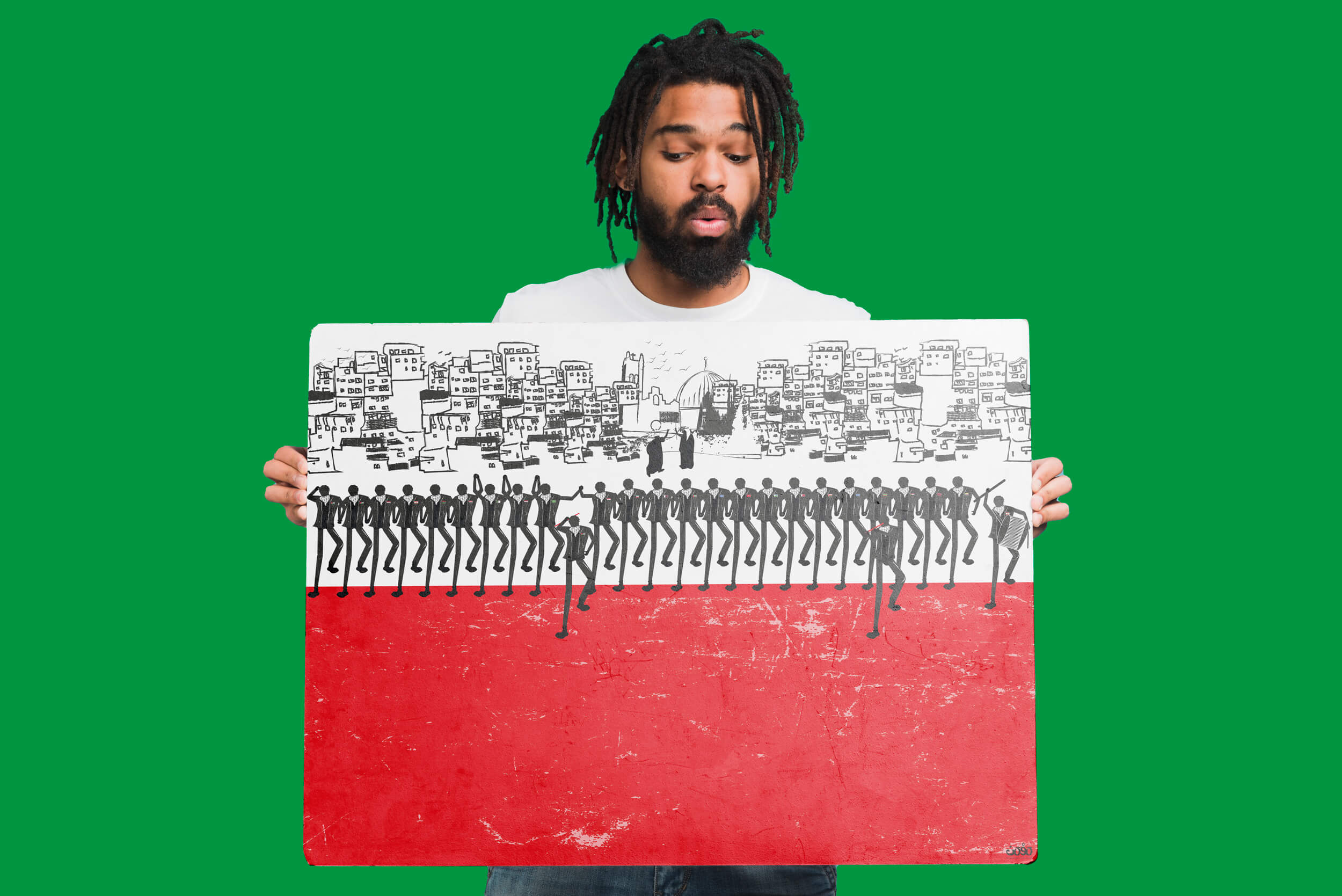
الدبكة جزء أصيل من التراث الشعبي الفلسطيني، وهي كمان واحدة من أبرز الفنون الفلكلورية المنتشرة ببلاد الشام، ارتبطت بالأعراس والمناسبات والاحتفالات، لكنها بالنسبة للفلسطيني ما كانت مجرد رقصة، كانت ولا زالت واحدة من الطرق اللي بتحافظ فيها الذاكرة الشعبية على حضورها، وبتنتقل فيها الحكاية من جيل لجيل.
ومن بين هالحكايات، بيبرز اسم "ظريف الطول"؛ الاسم اللي ارتبط بأغنية فلسطينية شعبية صارت مع مرور الوقت واحدة من أكثر الأغاني حضوراً بوجدان الفلسطينيين، خصوصاً اللي حملوا فلسطين معهم للشتات.
حكاية ظريف الطول
بتتناقل الرواية الشعبية الفلسطينية حكاية شاب عُرف باسم ظريف الطول، كان يشتغل نجار بقرية ما كان من أهلها، لكنه بسرعة صار محبوب من سكانها لحسن أخلاقه وطيب معاملته، وقيل إن أهل القرية أطلقوا عليه اسم "ظريف الطول" لجمال قامته وهيئته.
وبحسب إحدى الروايات المتداولة، هاجمت عصابات الاحتلال الإسرائيلي القرية، واستشهد عدد من شبابها، واختفى ظريف بعدها، وطلع رجال القرية يدوروا عليه من غير ما يلاقوه. وبعد حوالي يومين رجع، ومعه اسلحة كان شاريها من ماله الخاص، بهدف تسليح شباب القرية.
وبحسب الرواية، شارك ظريف وشباب القرية المسلحين بمواجهة قوات الاحتلال، قبل ما ترجع العصابات الصهيونية وتقتل عدداً من شباب القرية، فيختفي ظريف مرة ثانية.
ومن وقتها، بدأت الحكاية تاخذ طابع الأسطورة الشعبية؛ فقيل إن واحد شافه مع الثوار بالقدس، وقيل إنه ظهر بغزة، وقيل إن آخرين شافوه ببورسعيد خلال العدوان الثلاثي على مصر، وبعدها ظهرت روايات ثانية عن وجوده ببيروت.
ما بنعرف على وجه اليقين وين انتهت حكاية ظريف، ويمكن هذا بالذات هو اللي خلّى الحكاية تستمر.
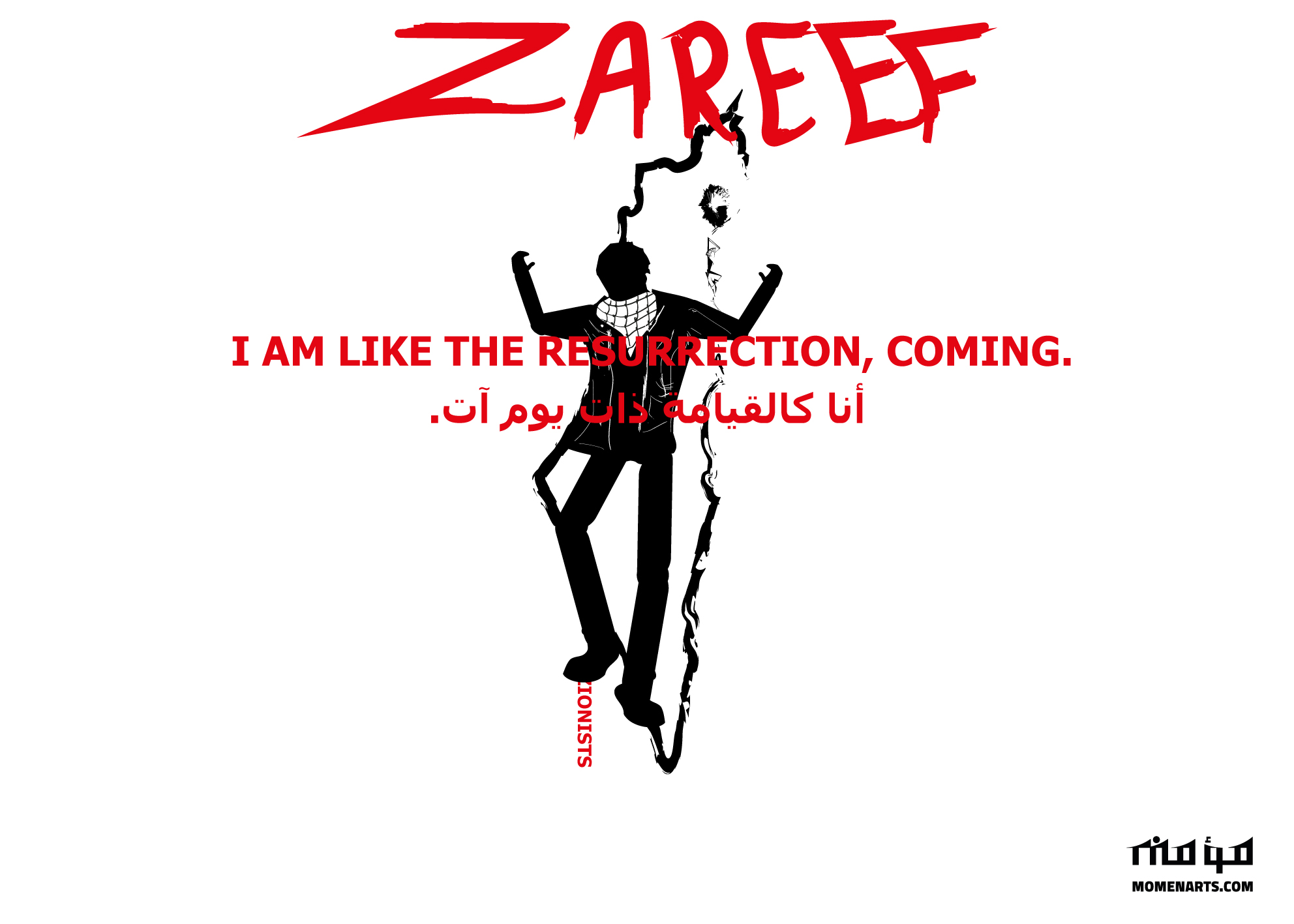
فبالحكايات الشعبية، أحياناً البطل ما بموت؛ بل بتحول لرمز.
"يا ظريف الطول".. حكاية الفلسطيني بالمنفى
ومن هون إجت الأغنية اللي صارت جزء من الذاكرة الفلسطينية:
"يا ظريف الطول وقف تا أقولك
رايح عالغربة بلادك أحسن لك
خايف يا المحبوب تروح وتتملك
وتعاشر الغير وتنساني أنا"
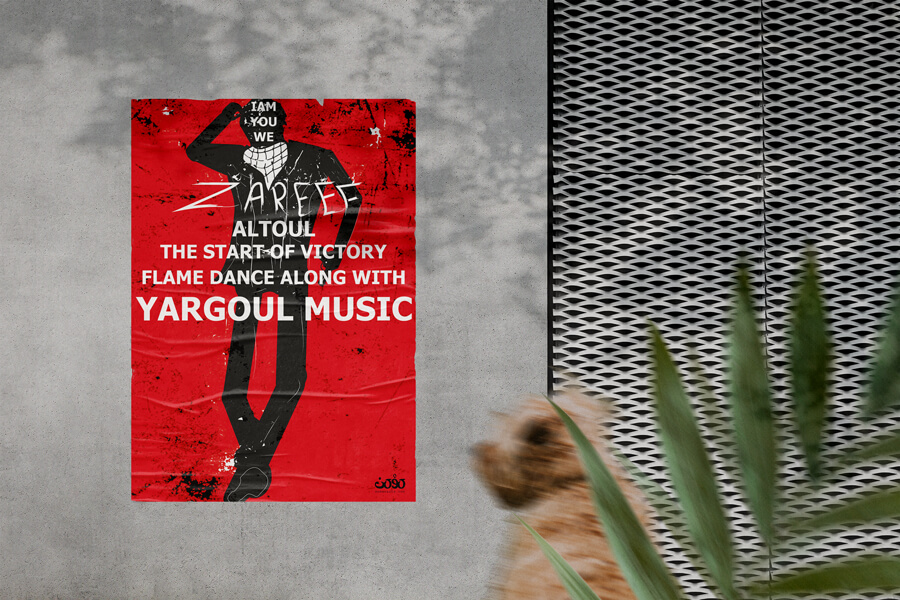
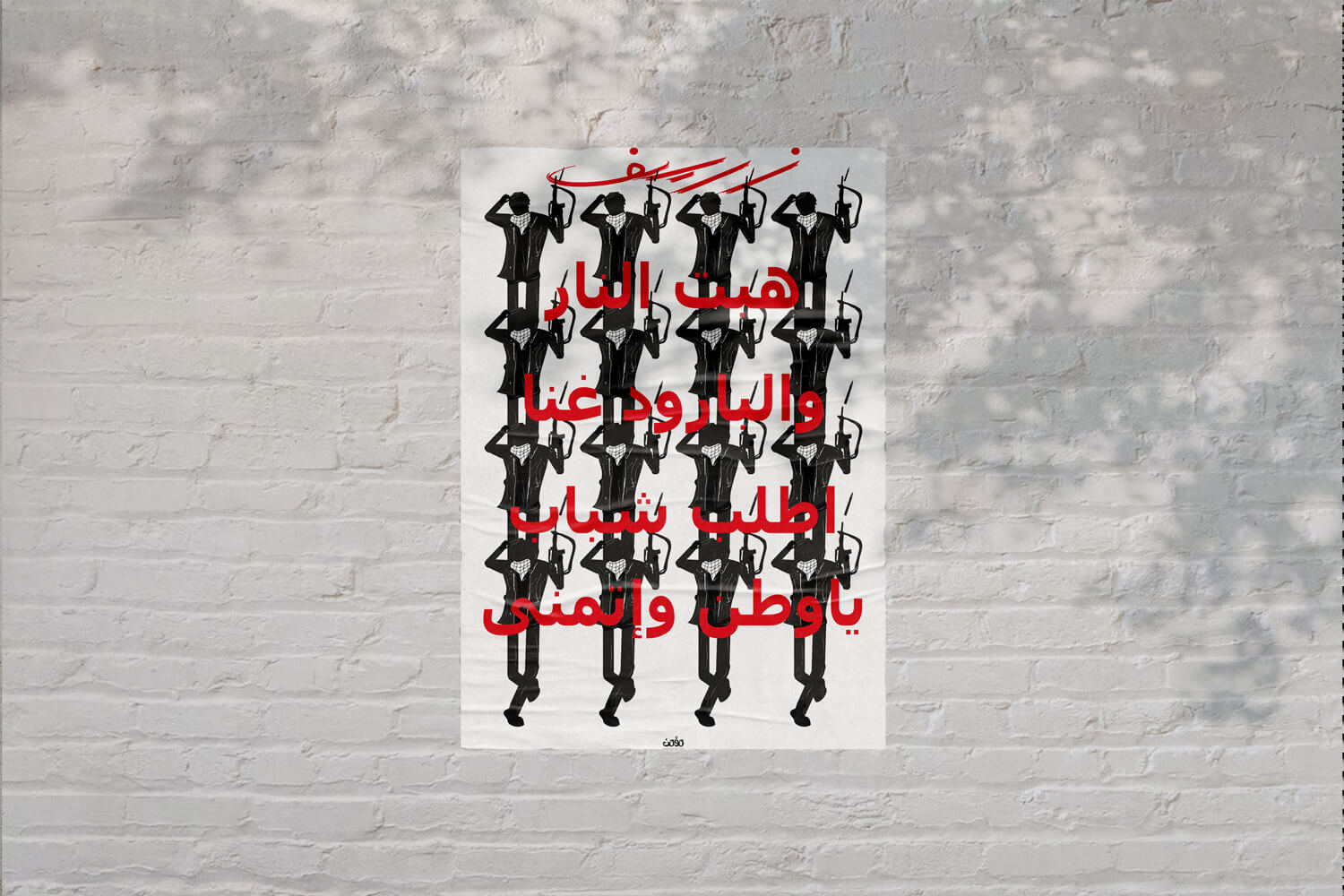
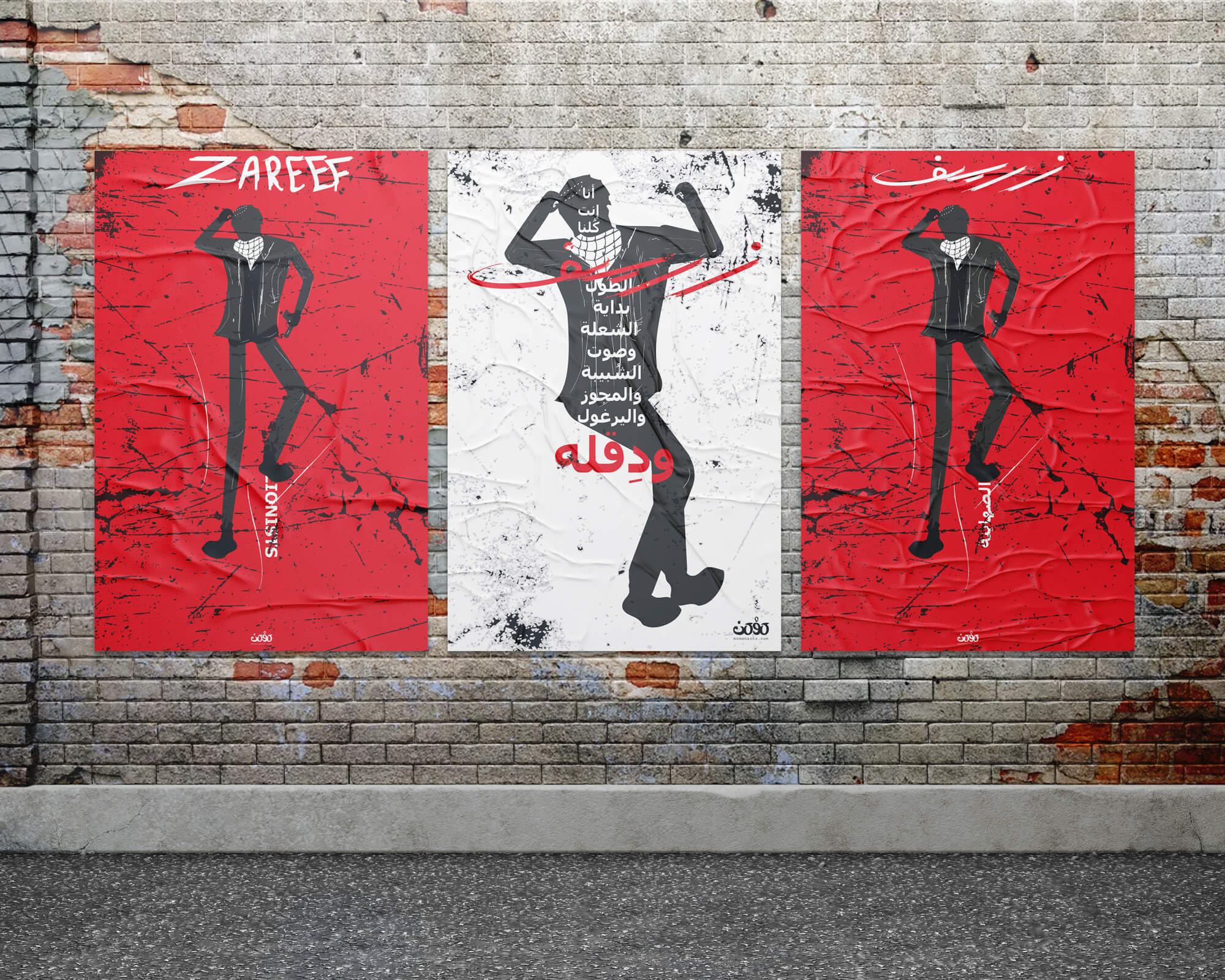
في إصدارات كثيرة لهالأغنية، وأنا اخترت منها اللي بيرتبط بصرياً ووجدانياً بالذاكرة الفلسطينية، ومنها إصدار من اغنية زريف الطول بشكلها الكلاسيكي، إلى جانب إصدار ثاني بتوزيع موسيقي مختلف"ريمكس".
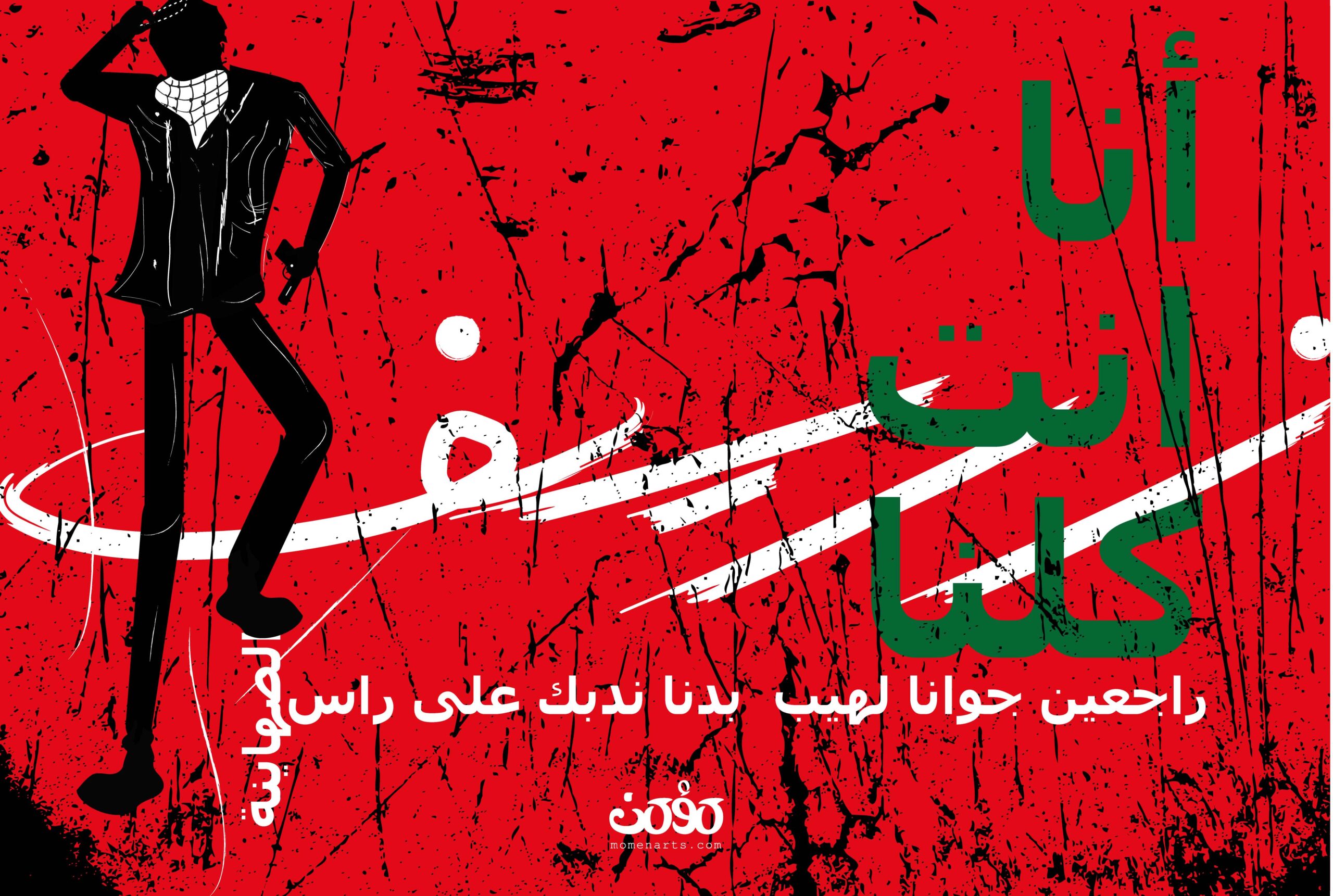
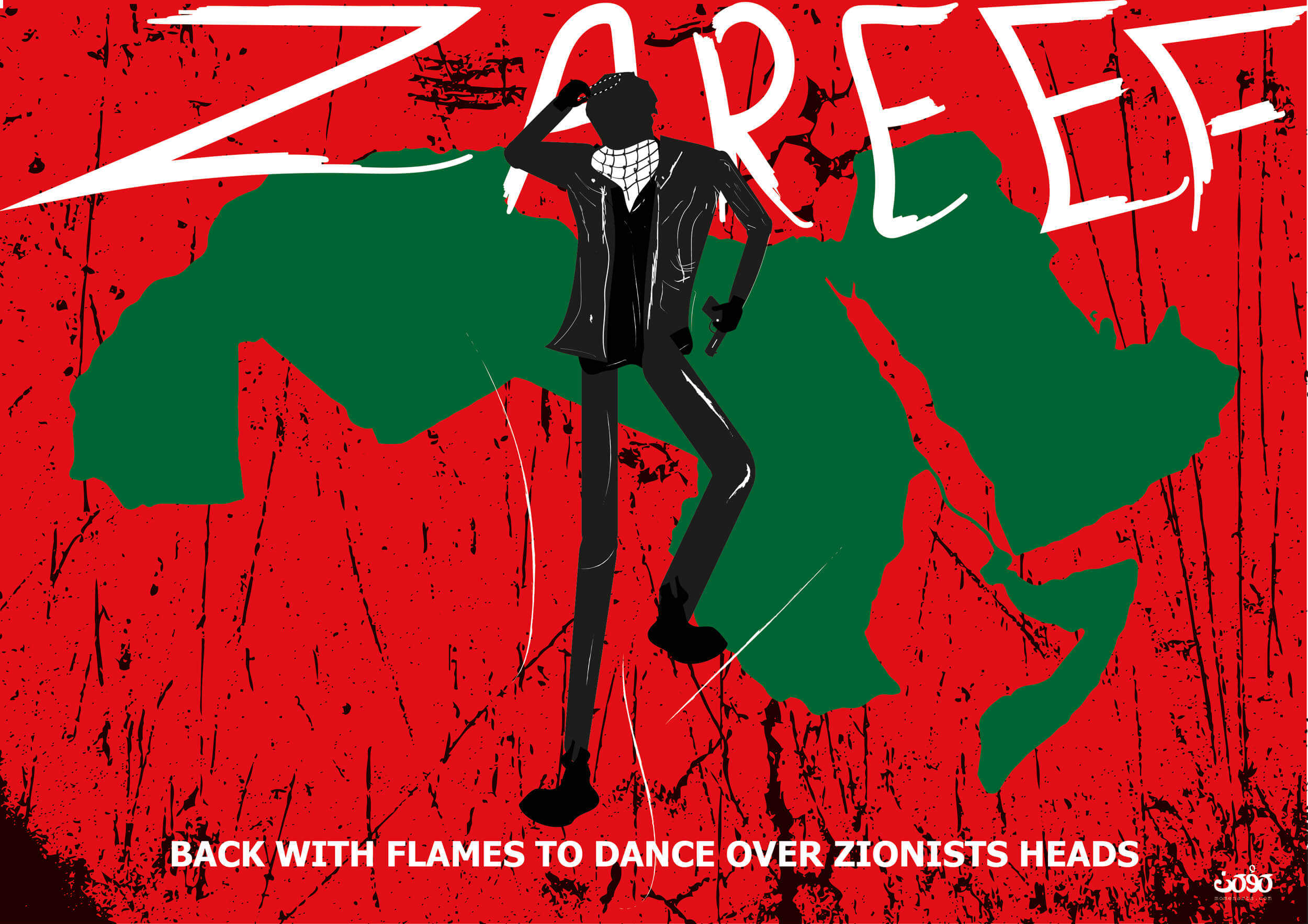
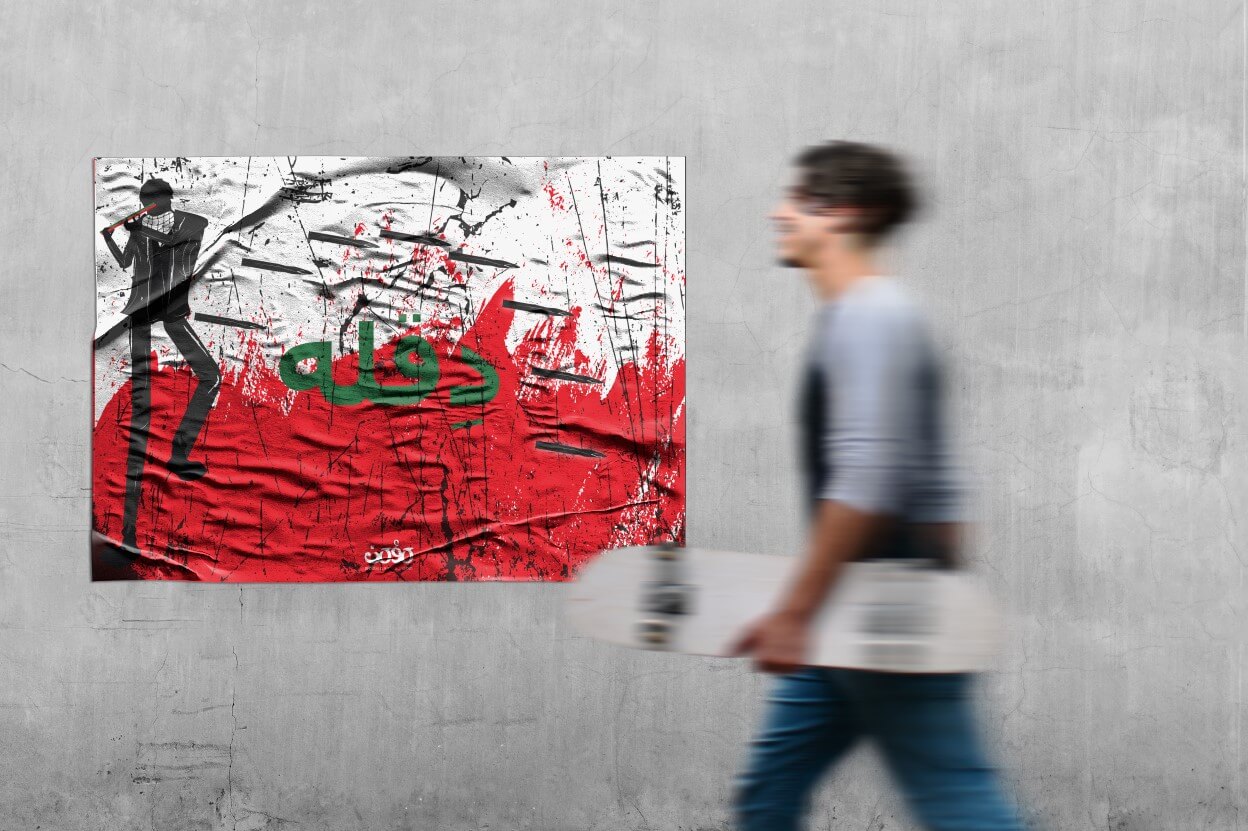
لكن بالنسبة إلي، ما كان ممكن أطلق على الشخصية اسم ثاني.
أنا بعشق هالأغنية، وبحس إنها بتمشي بدمي. وكل ما أوصل لعبارة:
«وتعاشر الغير وتنساني أنا»
بحكي بيني وبين حالي:
والله ما نسيتكوا.
ما نسيت فلسطين، وما نسيت حكاياتها، ولا قراها، ولا مدنها، ولا اللي رحلوا عنها وهم حاملين مفاتيح بيوتهم معهم.
مين هو "ظريف"؟
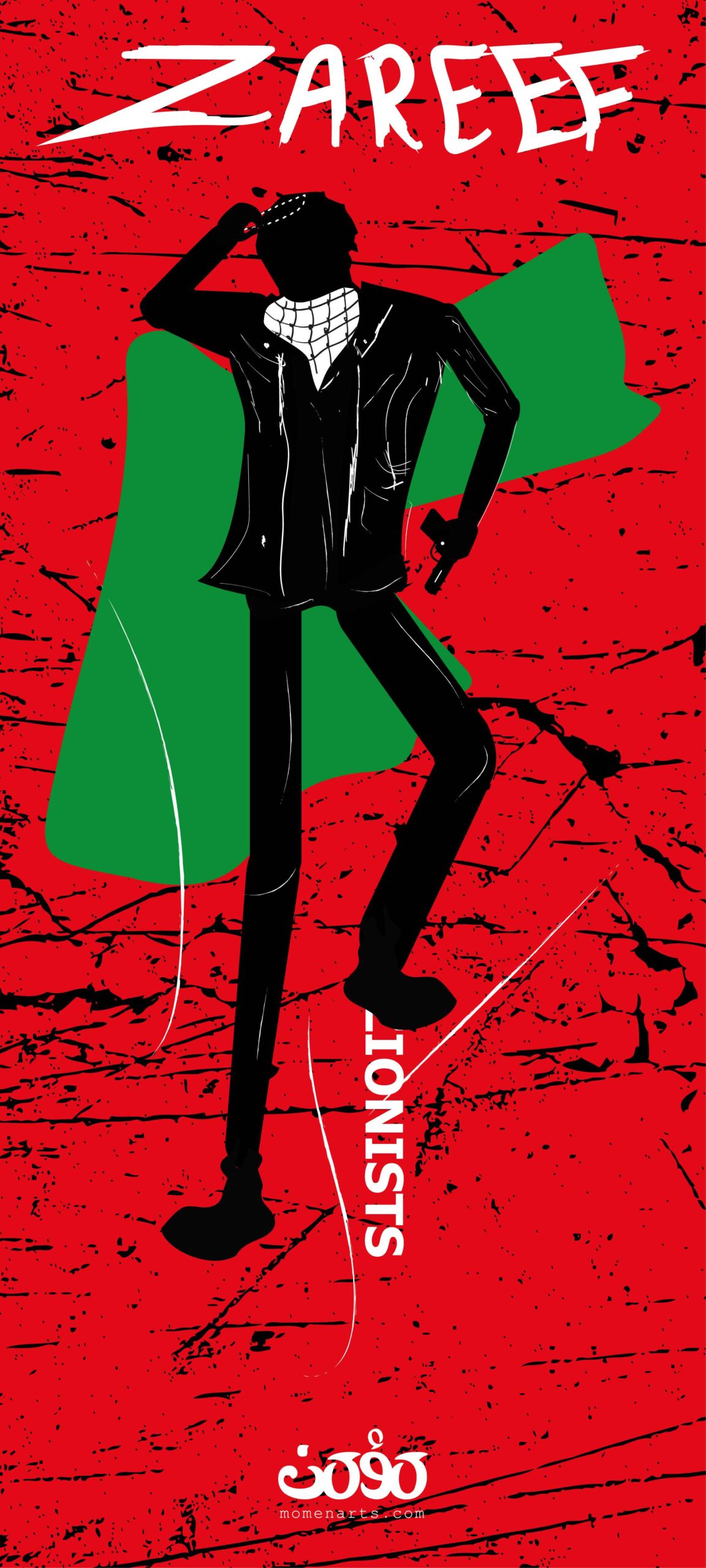
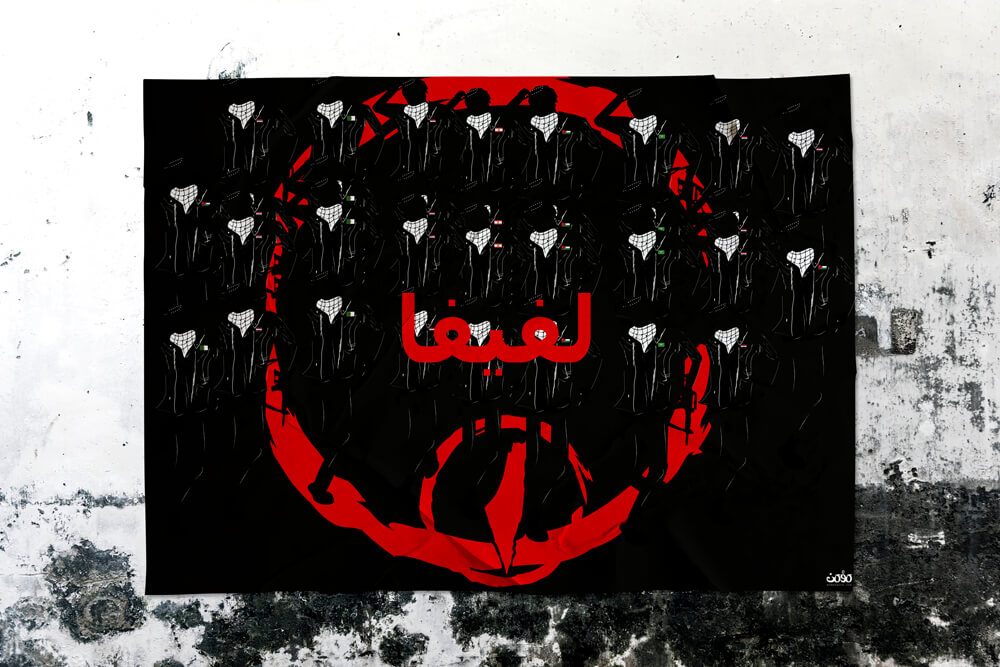
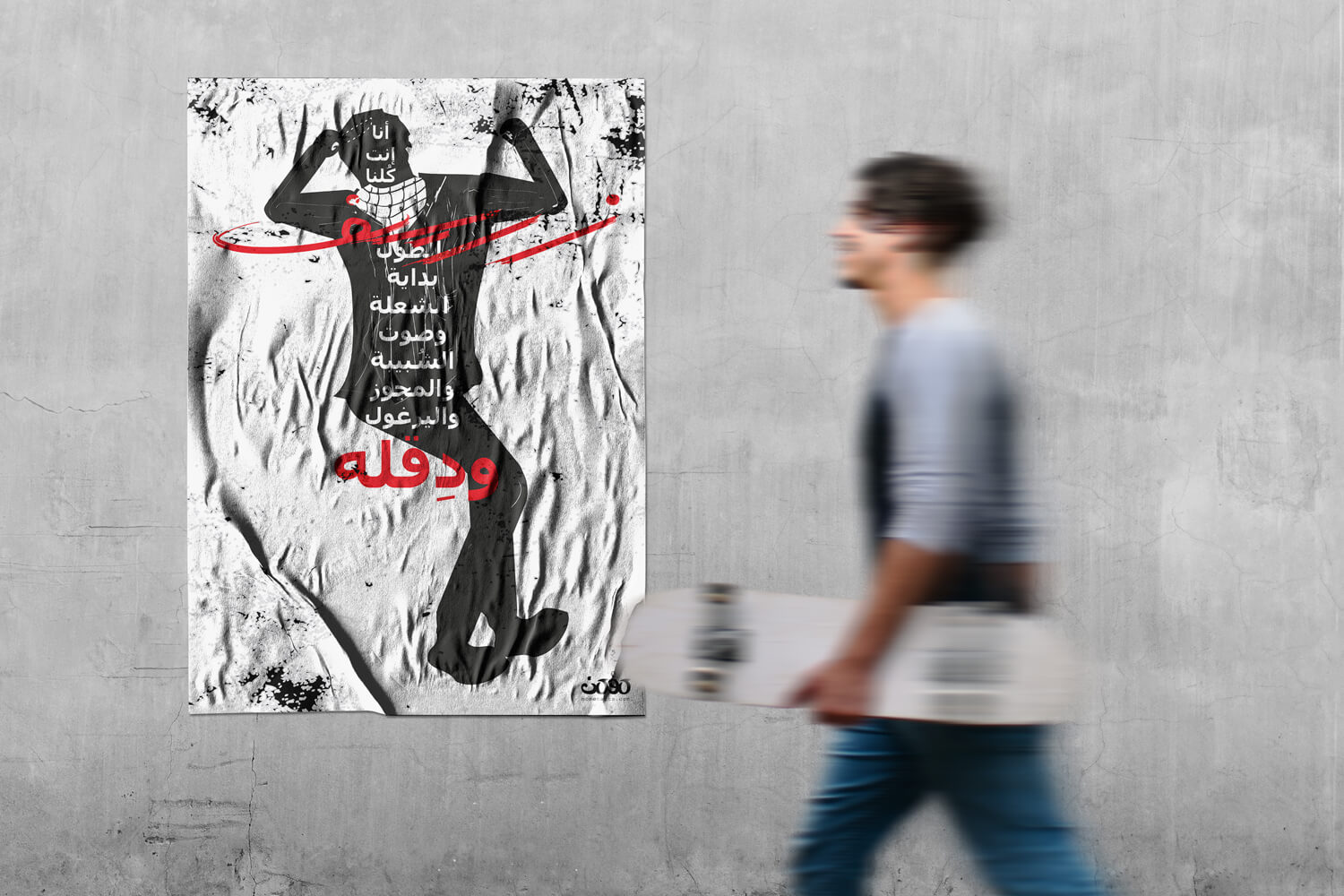
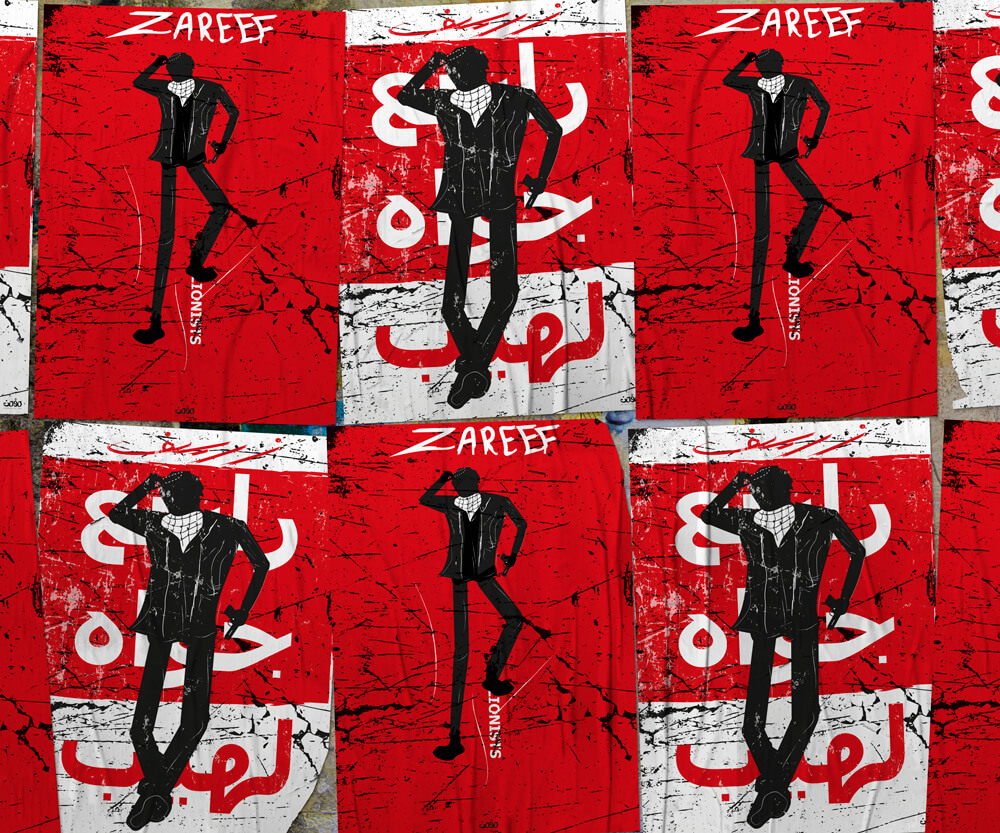
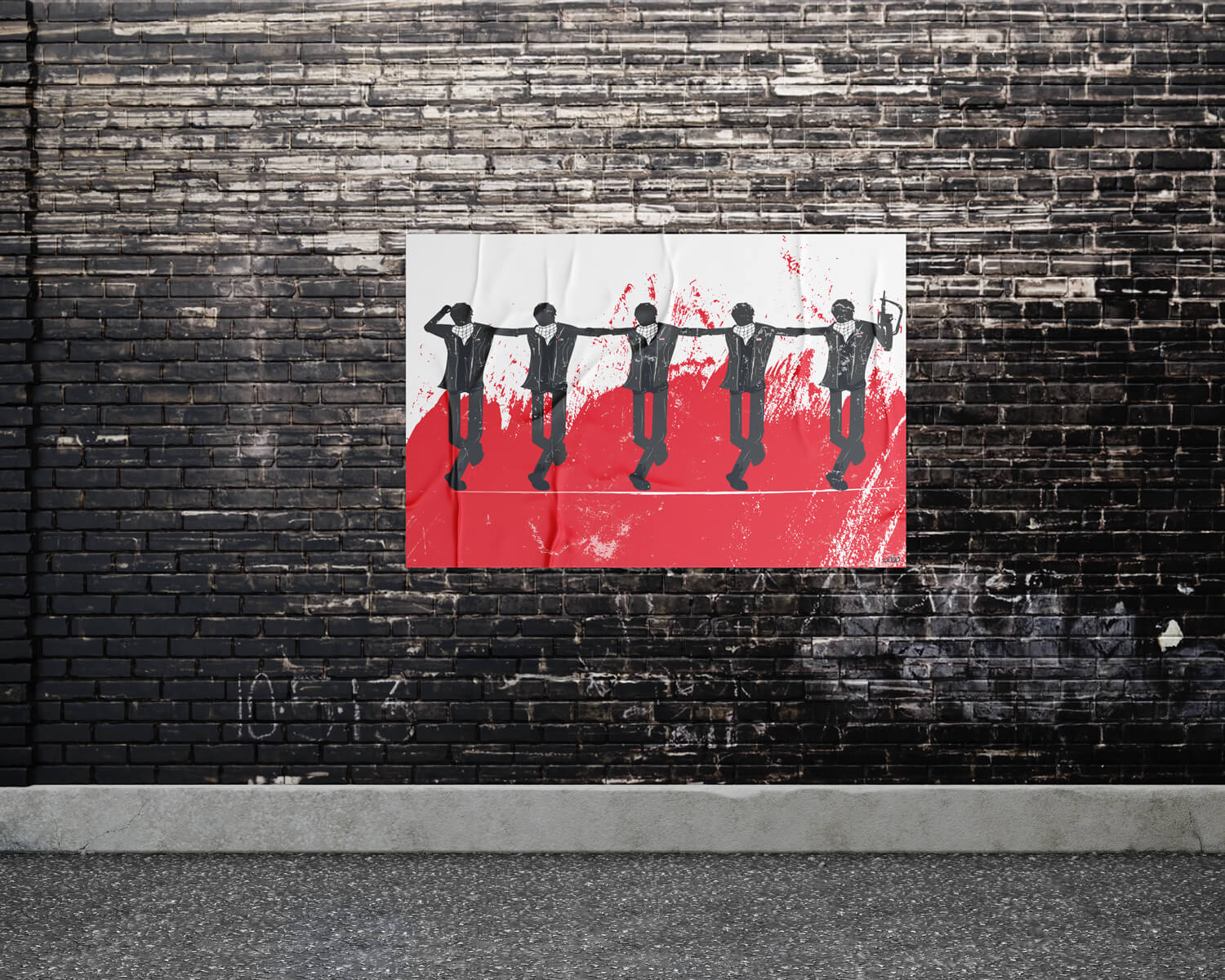
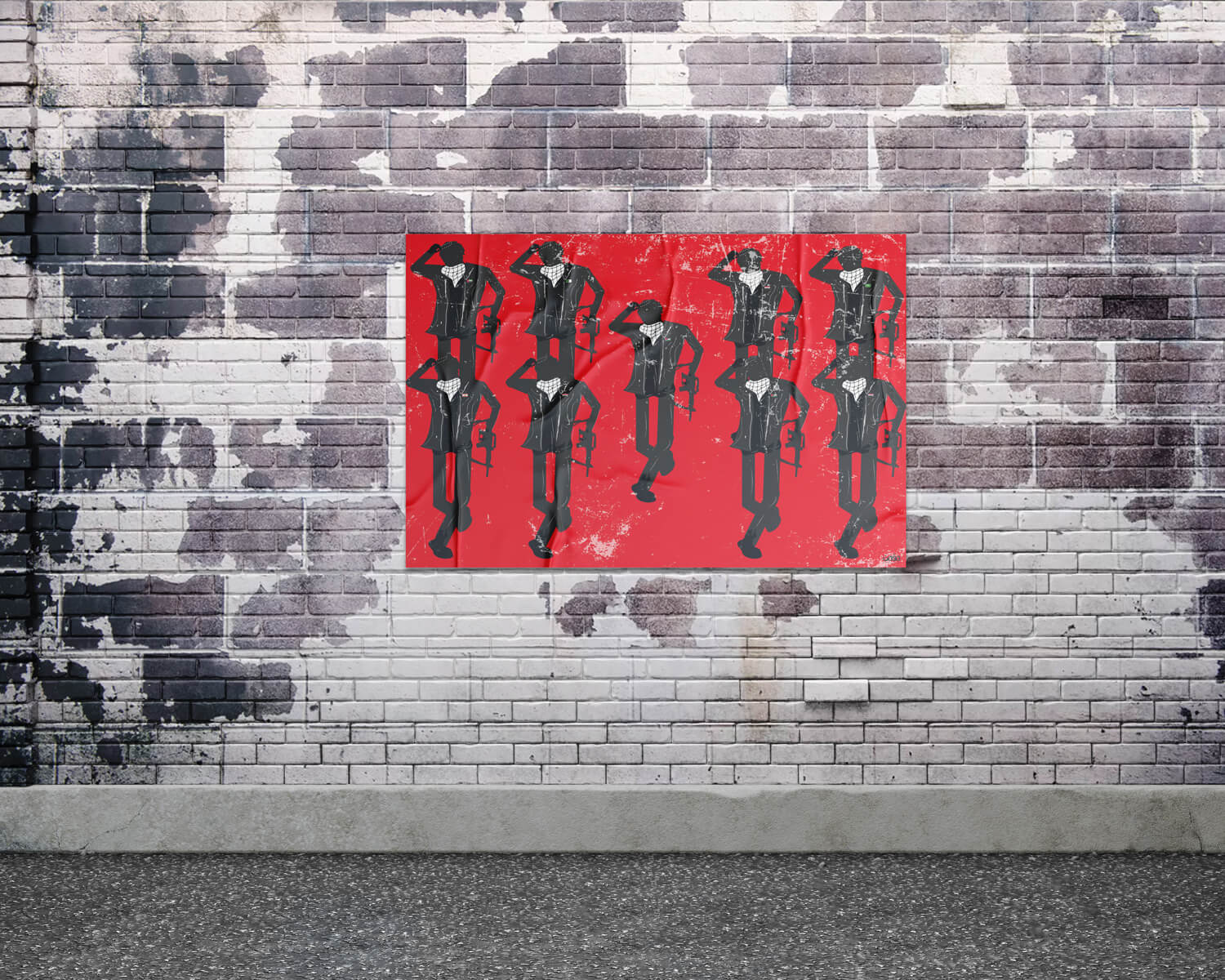
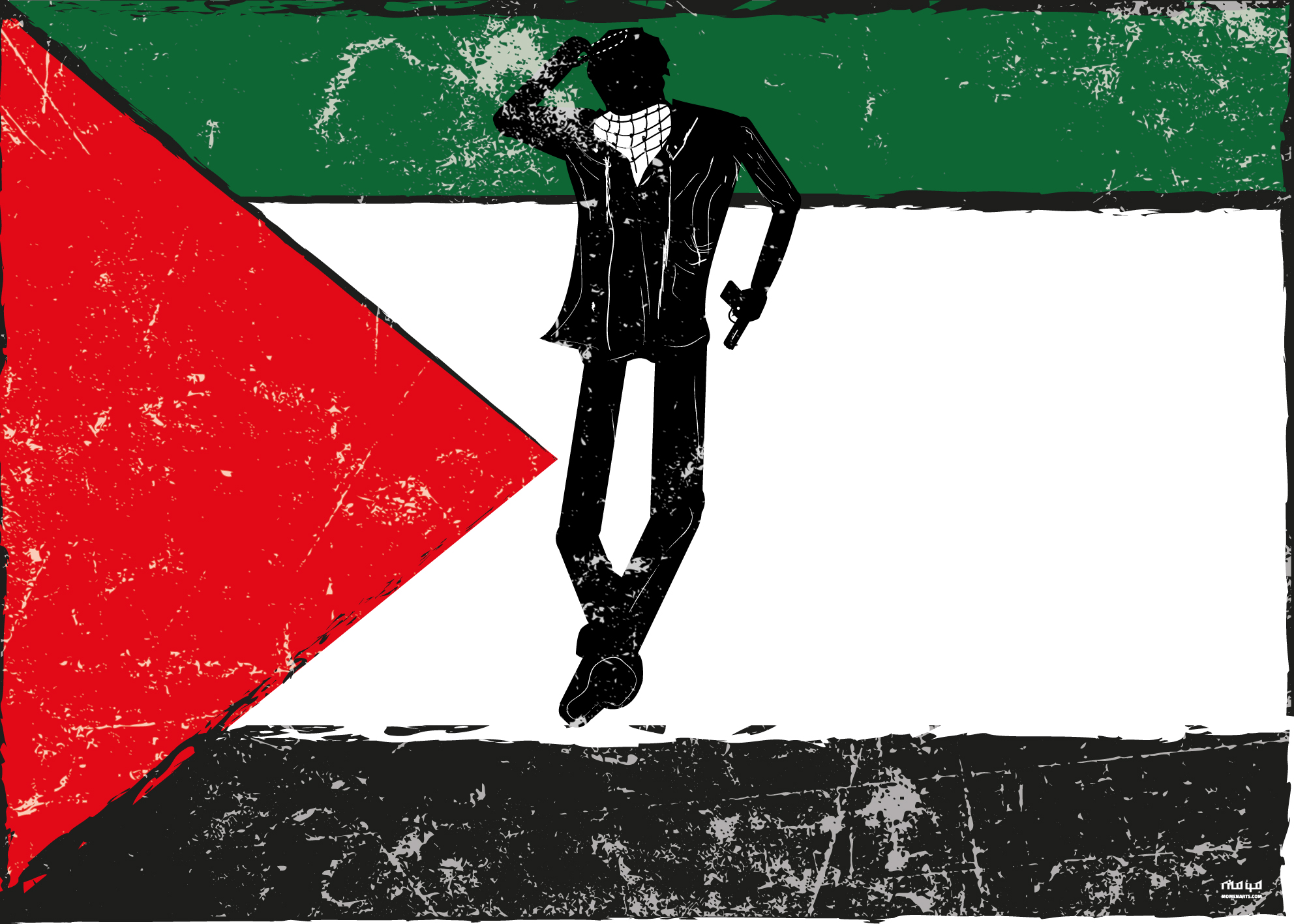
ظريف الطول بالنسبة إلي مش شخص واحد.
ظريف هو كل فلسطيني برفض تنقطع علاقته بفلسطين.
هو اللي عايش بالوطن، واللي انولد بمخيم، واللي حامل جواز ببلد بعيد، واللي ما شاف فلسطين بحياته إلا من خلال صورة أو حكاية أو أغنية أو ذاكرة أهله.
هو الفلسطيني اللي بحب أرضه، وبتمسك بهويته، وبرفض الاحتلال وطمس الذاكرة، وبقاوم محاولات اقتلاعه من حكايته بكل وسيلة بقدر عليها، بالكلمة، بالصورة، بالفن، بالثقافة، بالحفاظ على الذاكرة، وبكل أشكال المقاومة اللي بيختارها.
ظريف مش تابع لفصيل أو حزب سياسي.
لا تسأله عن انتمائه قبل ما تسأله عن فلسطين.
هو مسلم أو مسيحي، ومن أي خلفية أو مكان؛ لأنه فلسطين بهاي الشخصية أوسع من الانقسامات.
كلنا، بطريقة أو بأخرى، ظريف الطول.
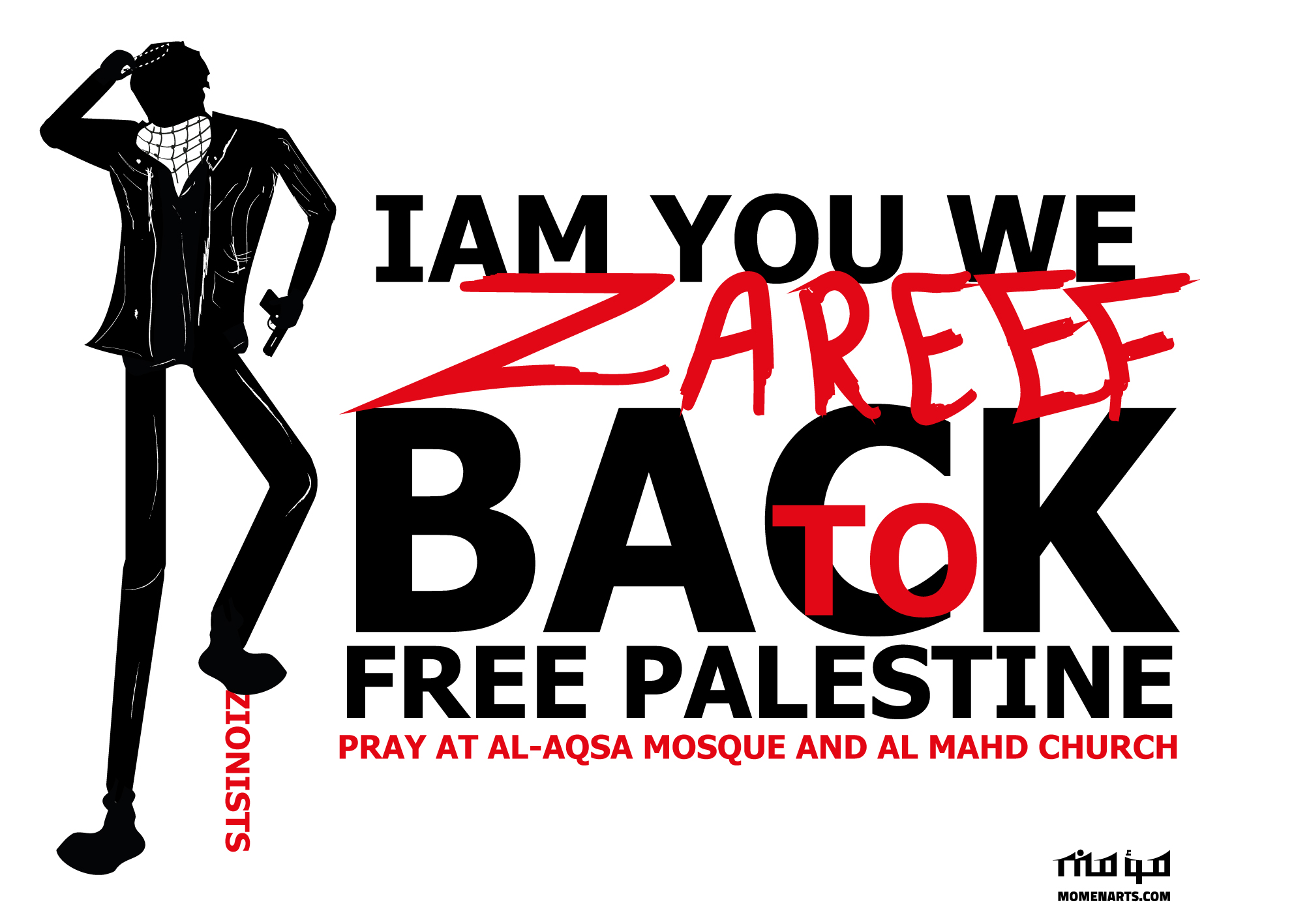
بدنا نرجع على فلسطين، ونصلي بالمسجد الأقصى، ونزور كنيسة المهد، ونوكل المسخن والكنافة بفلسطين، ونرجع عالجليل، ونستعيد تفاصيل المطبخ والقرية والشارع والبيت والذاكرة.
ظريف وحلم بتجاوز الحدود
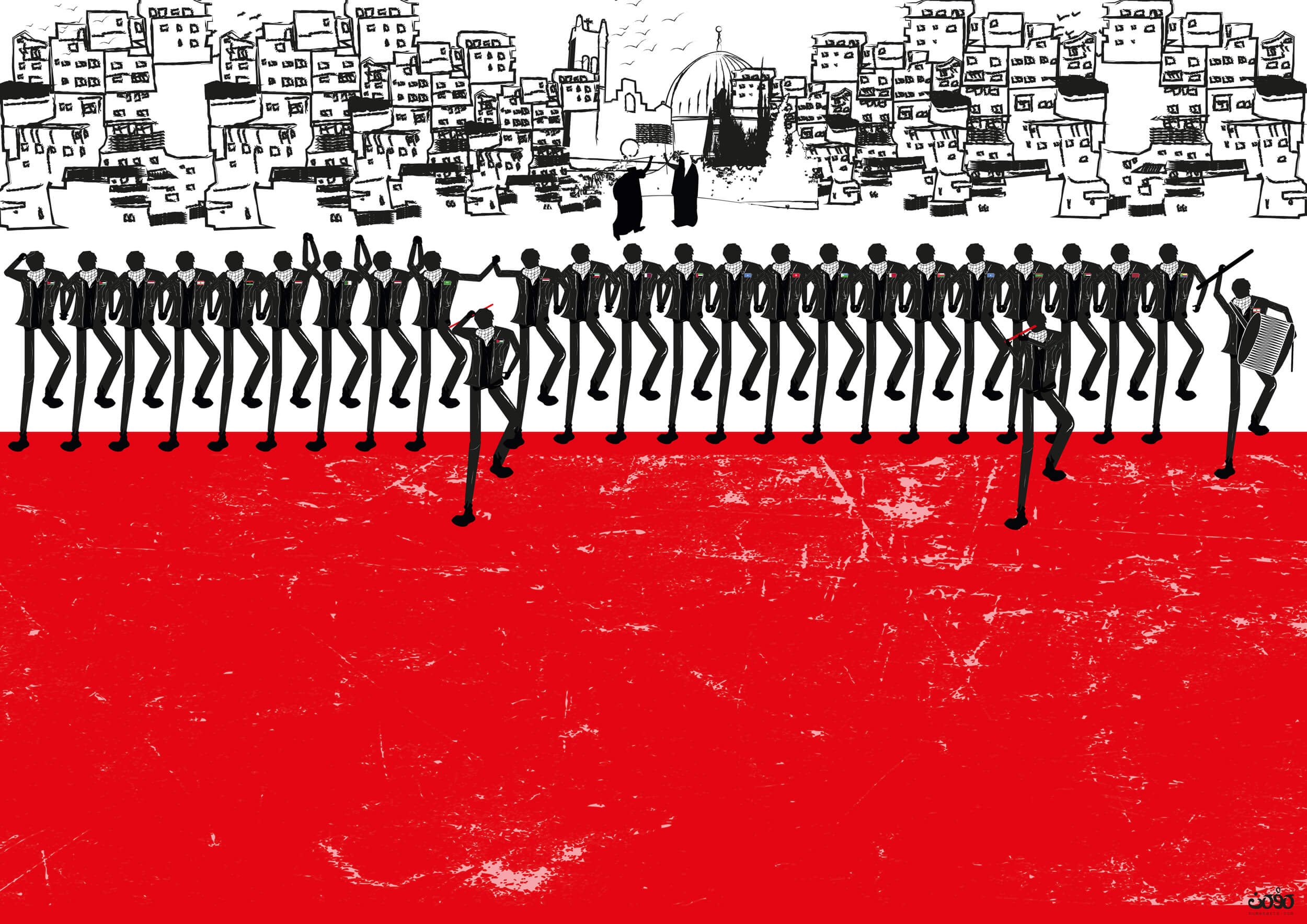
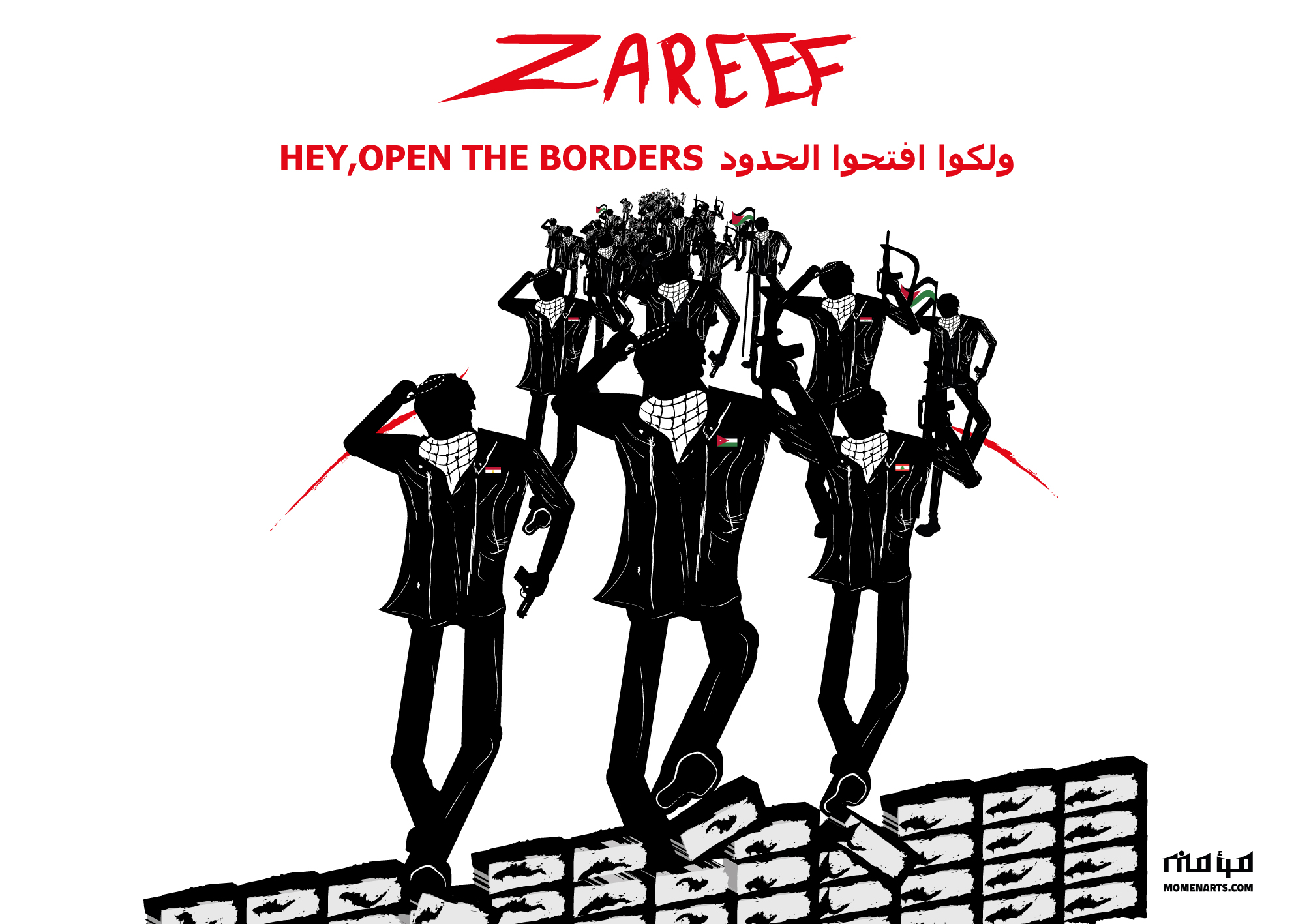
بخيال الشخصية، الحكاية ما بتوقف عند فلسطين وحدها؛ هي بتحمل معها حلم عربي أوسع بالحرية والتحرر واستعادة الأرض والكرامة.
من فلسطين للأردن وسورية ولبنان ومصر، بتتداخل الحكايات والذاكرة والموسيقى واللغة والأكل، وبتظل فلسطين مركز الحكاية.
أما الاحتلال، فمش جزء من هالحلم.
متى انولد ظريف؟
ظريف مش شخصية تاريخية إلها شهادة ميلاد،
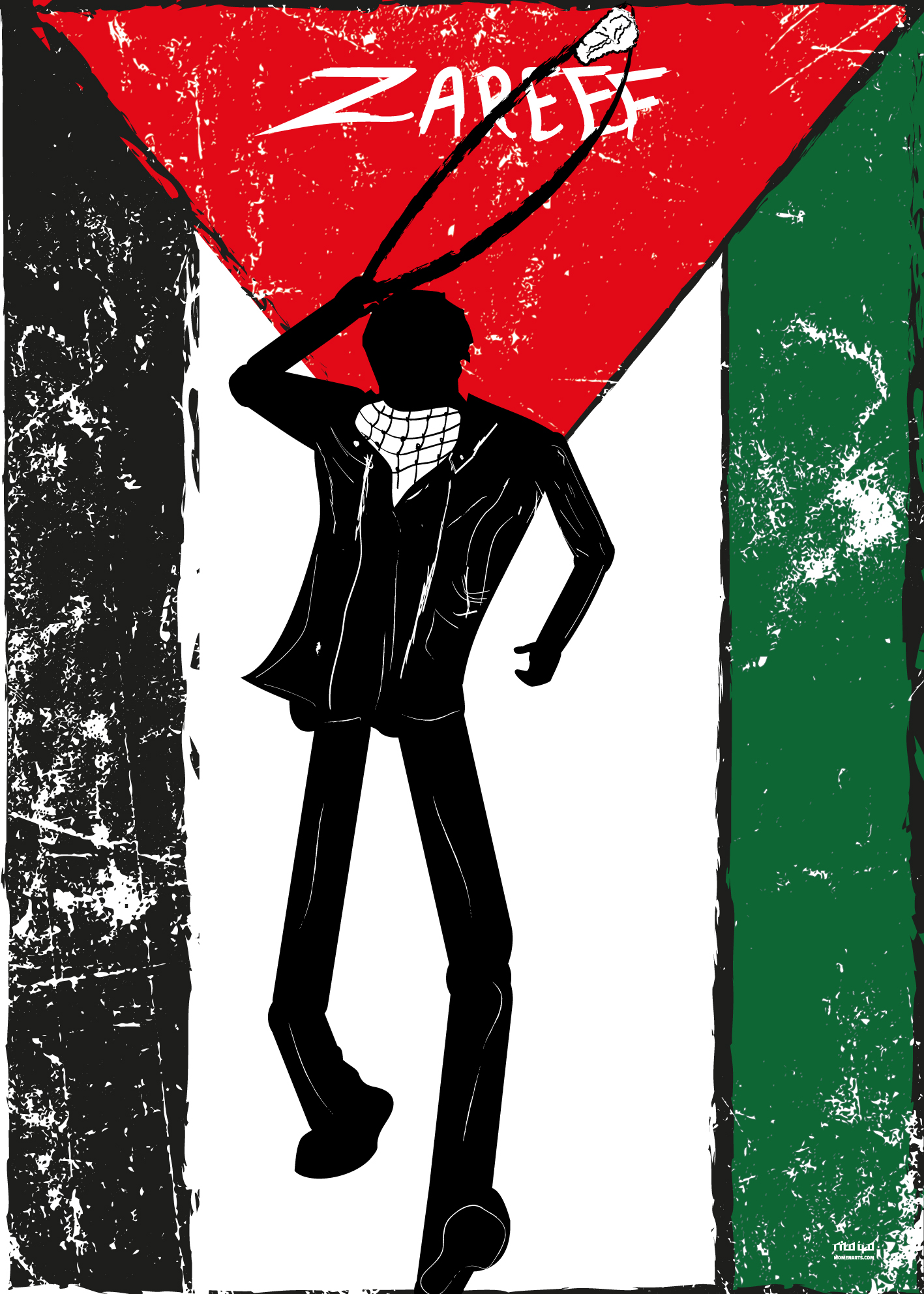
وعشان هيك كان تاريخ ميلاده بالنسبة إلي تاريخ رمزي، واخترت سنة 1987؛ سنة اندلاع الانتفاضة الفلسطينية الأولى، واللي عُرفت بانتفاضة الحجارة.
فظريف بالنسبة إلي انولد من فكرة الحرية، ومن جيل تربى على صورة الحجر بمواجهة الاحتلال، وعلى إن الإنسان بقدر يحوّل أبسط شيء بملكه لرمز للمقاومة والصمود.
تاريخ ميلاد ظريف، بالنهاية، هو تاريخ ميلاد كل شخص بعشق الحرية وبرفض الاحتلال.
ليش اللون الأسود؟
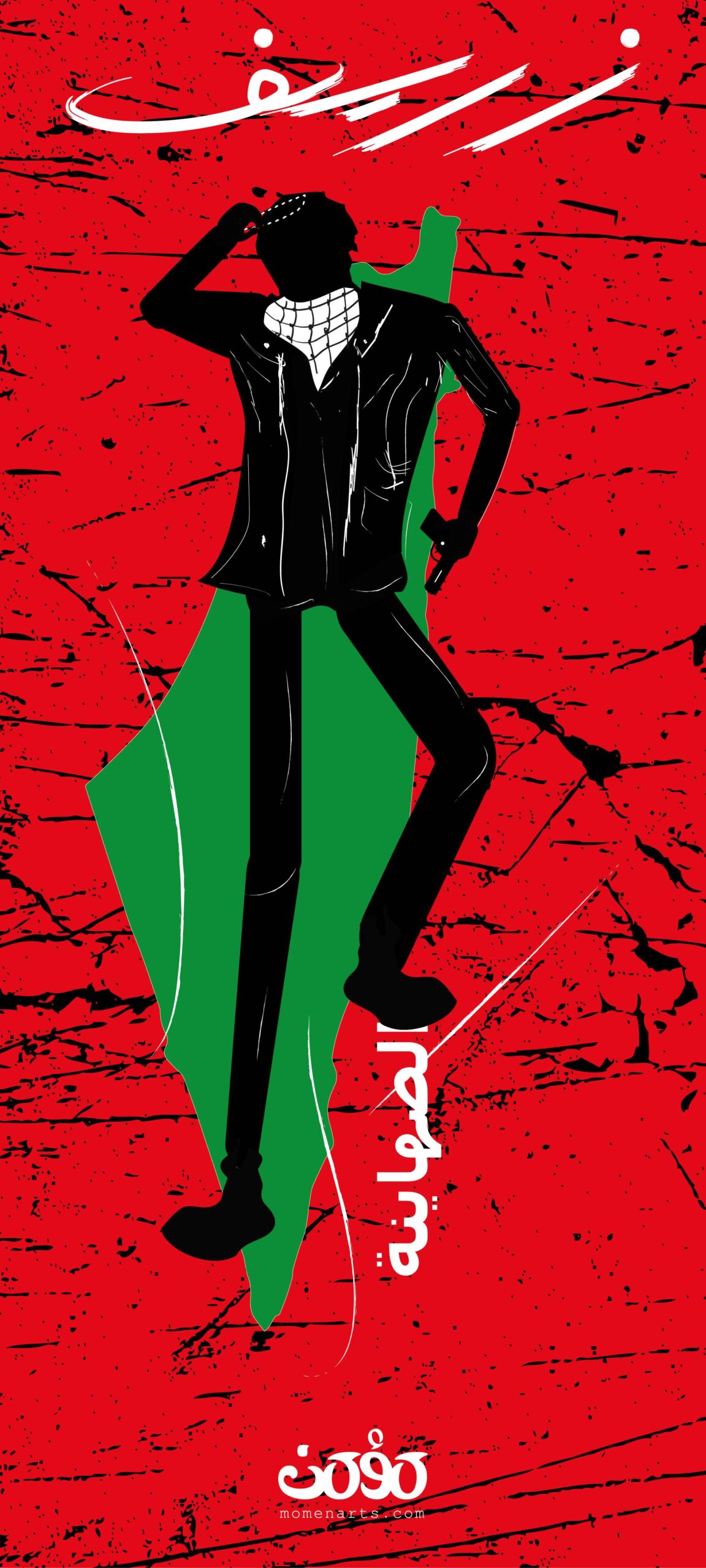
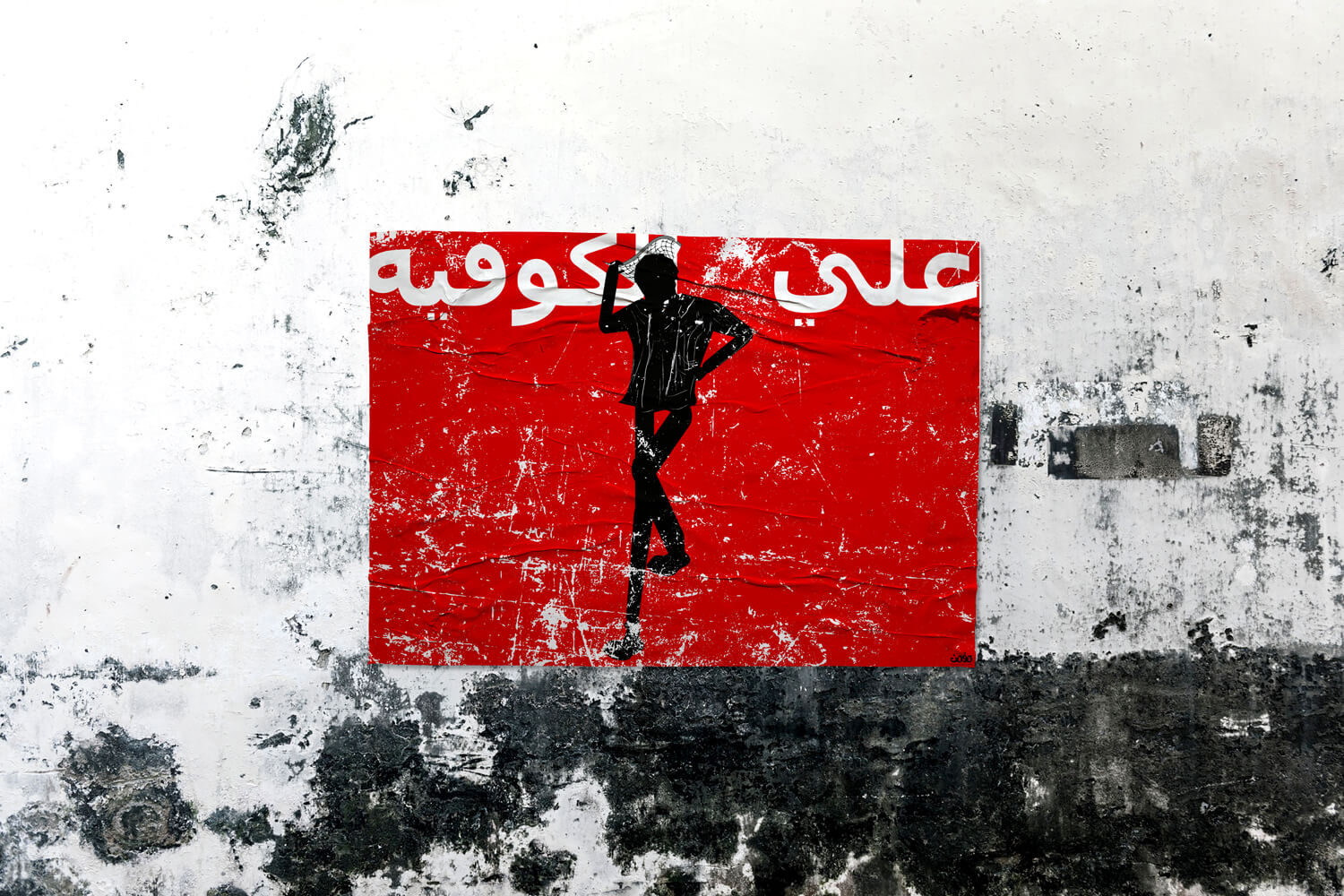
أما لون الشخصية، فاخترت يكون أسود، مش لأن السواد يعني الحزن بس، لكن لأني أردته لون يحمل معنى القوة والهيبة والصمود، ويحمل بداخلي معنى بسيط جداً:
أن يكون هالسواد بوجه الاحتلال وظلمه.
ظريف والحنين لوطن ما شفته
يمكن أكثر إشي بيفسر ولادة هاي الشخصية هو هالشعور الغريب اللي بعيشه الفلسطيني اللي بحمل وطن أكبر من تجربته الشخصية.
ما كنت أحب أتابع الأخبار كثير؛ فالقتل والدم والدمار والانقسام والجغرافيا كانت ترهقني.
وبحرب أيار 2021، وصلت حالة الإرهاق لدرجة إني ما عدت أعرف شو أعمل.
بتذكر إني شفت شو كانت تعمل منى الكرد وشقيقها محمد، وشفت الحضور الفلسطيني الواسع اللي رافق هالشي، وحسيت بعجز وغضب كبيرين، كان راسي يغلي، وحسيت حالي مربوط ومش قادر أعمل إشي.
قررت أبعد شوي عن الأخبار، شغلت شوية أغاني فلسطينية، وبلشت أرقص الدبكة لحالي، كنت أضحك وفرحان، ومش عارف ليش؟!
وبعدين رجعت أشوف الأخبار.. وبكيت.
يمكن كانت هاي اللحظة بالذات بتختصر علاقتي كلها بفلسطين:
أغنية بتخليني أرقص، وخبر بخليني أبكي.
فرح بالحياة اللي تركها إلنا الوطن بالذاكرة، وألم على الوطن اللي لسه بينزف قدام عيوننا.
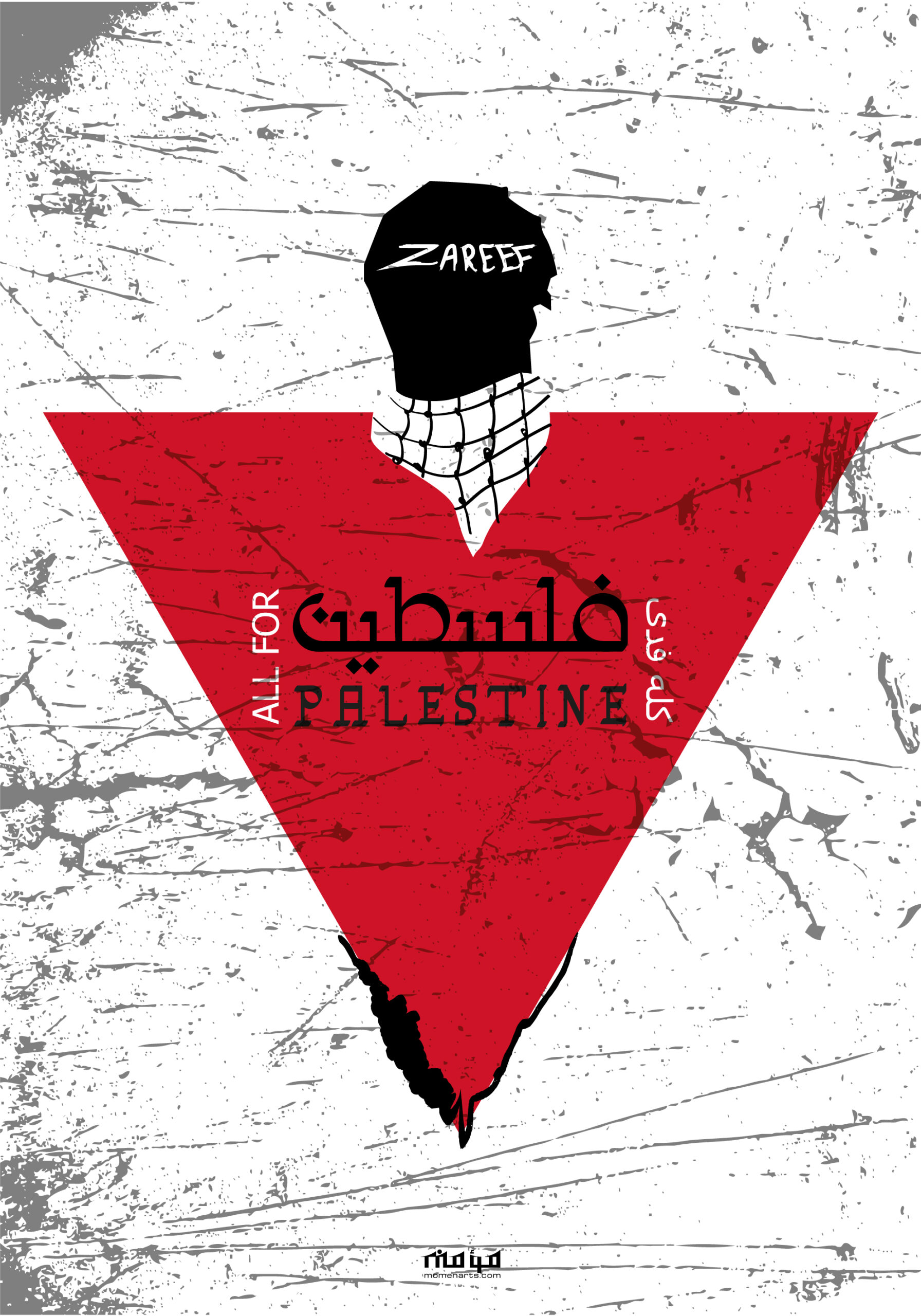
ما انولدت شخصية ظريف من مصدر واحد، مصدر الإلهام الأول كان ولسه رح يظل التراث العربي عموماً، والفلسطيني خصوصاً؛ الأغنية الشعبية، الدبكة، الحكاية، الكوفية، الأرض، الذاكرة، الأسماء، اللهجة، والطعام، وكل التفاصيل الصغيرة اللي بتصنع معنى الوطن.
وكان في كمان أشخاص وفنانين ومبدعين تركوا أثر بتكوين الشخصية، حتى من غير ما يعرفوا إنهم عملوا هيك.
كل الشكر لـ ميس شلش ولوالدها الشاعر القدير الراحل سعود شلش، ولكل شخص كان جزء من هالرحلة.
ومن الموسيقى والأغنية الفلسطينية والعربية استلهمت كثير من 47Soul، دلال أبو آمنة، فرقة الأجاويد، فرقة الدلعونا، فرقة عائدون، فرقة صول، محمد عساف، فرقة الفنون الشعبية الفلسطينية، عفيف بدران، علاء زلزلي، عاصي الحلاني، وغيرهم.
وكان لفيروز وجوليا بطرس وعمرو دياب حضورهم الخاص كمان.
ومن الأغاني اللي بحبها لعمرو دياب، تحديداً اللي بتحمل بكلماتها "آخر كلام عندنا القدس دي أرضنا"، لجانب أغانيه الرومانسية اللي رافقتني وأنا بصمم الشخصية.
وبتمنى بيوم من الأيام نشوف تجربة موسيقية بتجمع بين الموسيقى الفلسطينية وبعض الألوان الموسيقية العالمية، زي اللاتين جاز، بتجربة جديدة تحمل روح فلسطين للعالم.
أما الشعر، فكان إله مكانه الخاص..
من محمود درويش، اللي كان واحد من أهم مصادر إلهامي، إلى تميم البرغوثي، "60 عاماً وما بكم خجل"، وقصيدة "في القدس" وغيرها من قصائده، وهشام الجخ، خصوصاً قصيدة "التأشيرة"، وغيرها من النصوص اللي بتلامس علاقة الإنسان بالأرض والحدود والمنفى.
وكان للقرآن الكريم كمان حضوره بهاي الرحلة، بما يمنحه من هدوء ومساحة للتأمل، وخصوصاً مع أصوات مشاري العفاسي، وأحمد العجمي، وإسلام صبحي، وسلمان العتيبي وغيرهم.
حتى خفة دم وفاء علوان كان إلها أثرها بهاي الرحلة.
بالنهاية
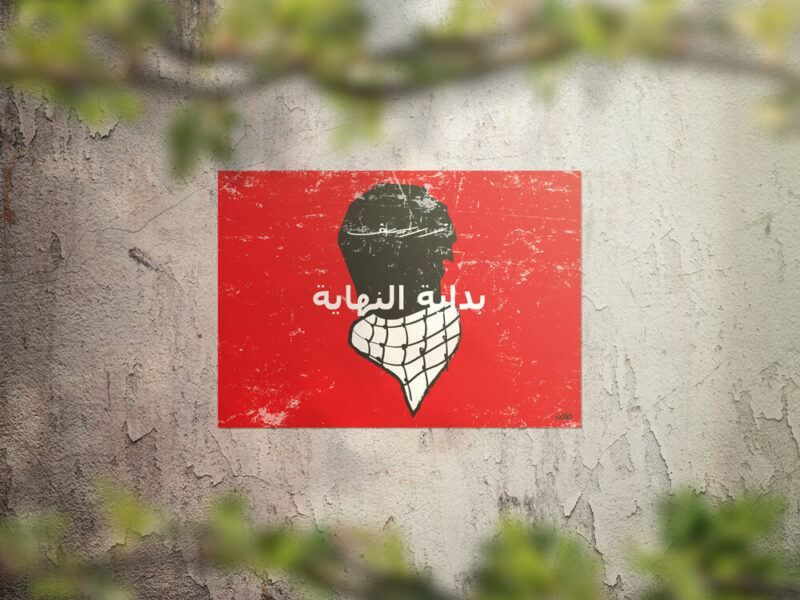
ظريف الطول مش مجرد شخصية صممتها،
هو مزيج من أغنية وحكاية وذاكرة وحنين.
هو الفلسطيني اللي ممكن ينولد بعيد عن فلسطين، لكنه ما بحس بيوم إنها بعيدة عنه.
هو صورة هالإنسان اللي بحمل وطنه بصوته، وبأغنيته، وبرقصته، وبأكله، وبلهجته، وبذاكرته.
يمكن عشان هيك حبيت اسم ظريف الطول، لأني ما بدي إياه يكون شخص واحد، بدي إياه يكون كل فلسطيني ما نسي.
وكل ما قالت الأغنية:
"وتعاشر الغير وتنساني أنا"
بظل جوابي واحد:
والله ما نسيتكوا.
Zareef Al-Tool: When Nostalgia Transforms into an Icon
Dabke is an integral part of Palestinian folk heritage and one of the most prominent traditional performance arts across the Levant. While historically tied to weddings, celebrations, and festive occasions, for Palestinians it was never merely a dance. It remains a living medium through which collective memory preserves its presence, passing the narrative from one generation to the next.
Among these stories, the name "Zareef Al-Tool" stands out—a name forever linked to a Palestinian folk song that became one of the most deeply cherished anthems in the collective consciousness of Palestinians, particularly those carrying Palestine with them into the diaspora.
The Tale of Zareef Al-Tool
Palestinian folklore tells the story of a tall, handsome young man known as Zareef Al-Tool ("the elegant, tall one"). He worked as a carpenter in a village where he was a stranger, yet he quickly captured the hearts of its people through his noble character and kindness.
According to folk accounts, when Israeli occupation forces raided the village and several young men were martyred, Zareef vanished. The villagers searched for him in vain. Two days later, he returned carrying rifles bought with his own money to arm the village youth.
Zareef and the armed youth fought back against the occupation forces. Following a subsequent raid that left more villagers dead, Zareef disappeared once again.
From that moment, his story transcended reality into folk legend. Some claimed they saw him fighting alongside the rebels in Jerusalem; others said he appeared in Gaza, during the 1956 Tripartite Aggression in Port Said, or among the resistance in Beirut.
We do not know with certainty where Zareef’s story ended—and perhaps that is precisely why it lives on. In folklore, heroes do not die; they transform into symbols.
"Ya Zareef Al-Tool": The Song of Exile
From this legend came the song embedded in Palestinian memory:"O Zareef Al-Tool, pause so I may tell you,Leaving for foreign lands? Your homeland is better for you.I fear, my beloved, you will settle there,Embrace others, and forget me."
Many renditions of this song exist. I chose those that resonate visually and emotionally with Palestinian memory, one of the editions is the classical song alongside an modern version "Remix".
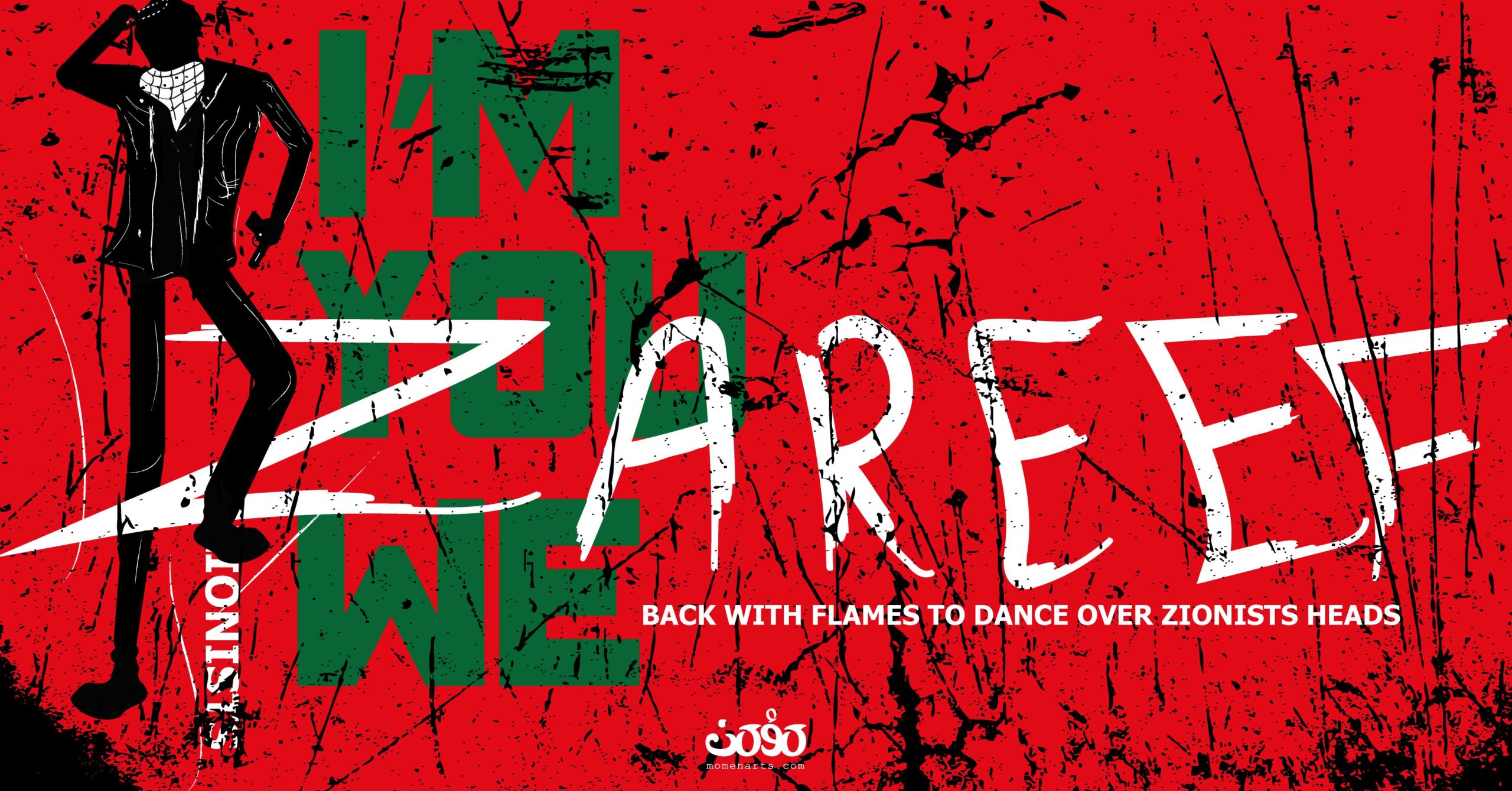
For me, naming the character anything else was impossible. I adore this song; it runs through my veins. Every time it reaches the line "Embrace others, and forget me," I whisper internally: "By God, I have never forgotten you."
I have not forgotten Palestine, its stories, its villages, its cities, or those who left carrying the keys to their homes.
Who is "Zareef"?
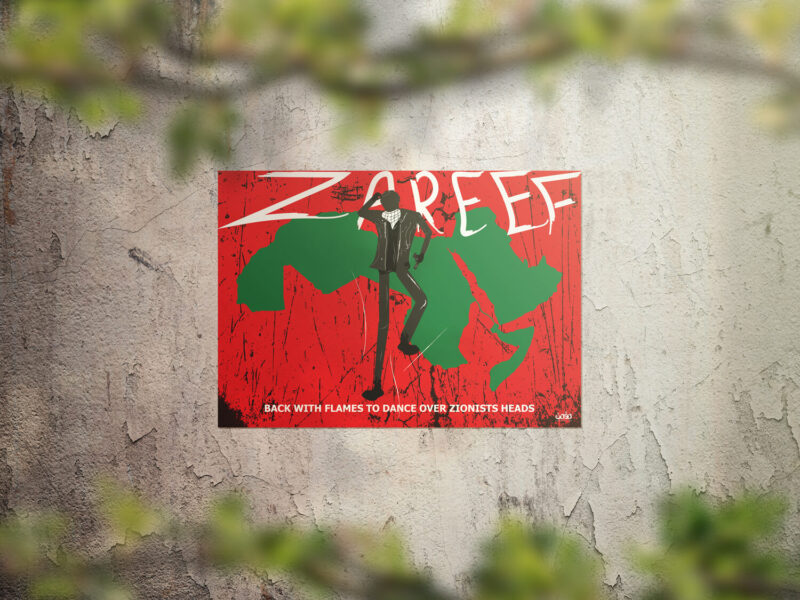
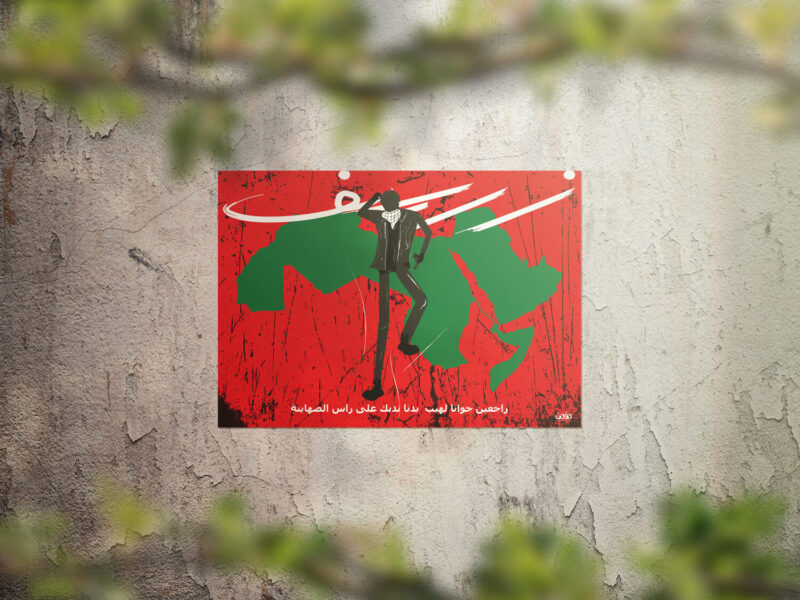
To me, Zareef Al-Tool is not a single person.
Zareef is every Palestinian who refuses to let their bond with Palestine break.
Zareef is the one living in the homeland, the one born in a refugee camp, the one holding a foreign passport in a distant country, and the one who has only ever seen Palestine through a photograph, a story, a song, or their parents' memories.
He is the Palestinian who loves his land, clings to his identity, rejects occupation and memory erasure, and resists uprooting through every available means—words, visuals, art, culture, and memory preservation.
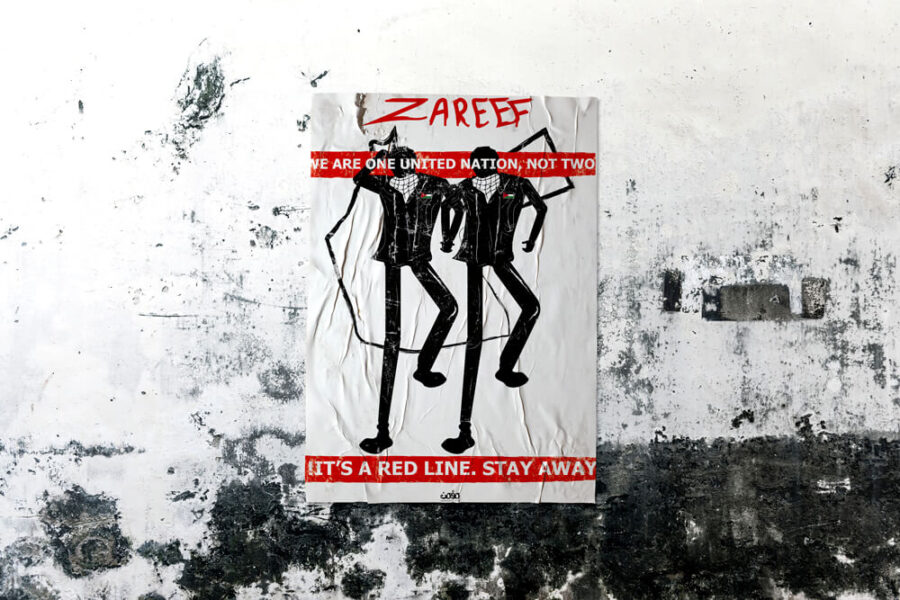
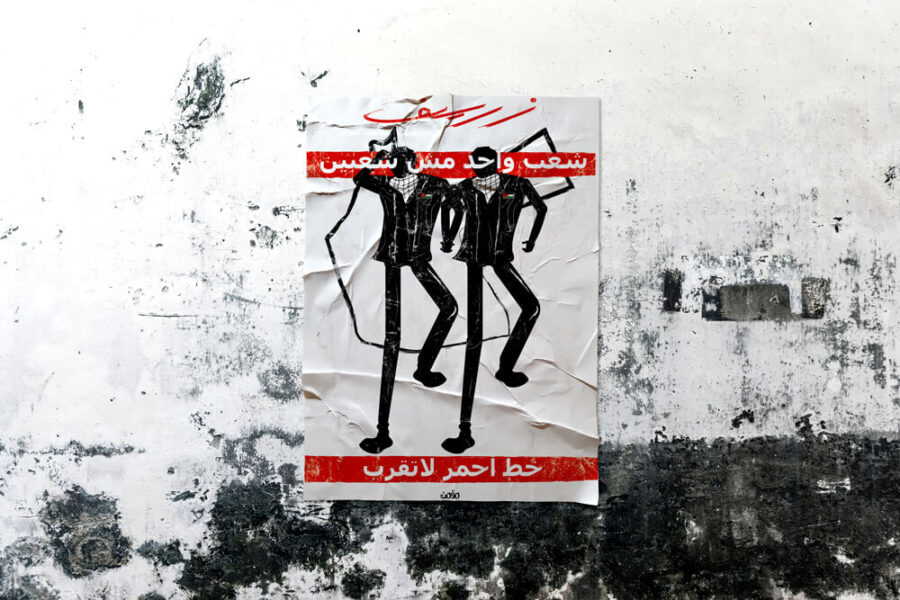
Zareef belongs to no political party or faction. Do not ask about his affiliations before asking about his love for Palestine. Muslim or Christian, from any background or place, Palestine within Zareef is vast enough to transcend all divisions.
In one way or another, we are all Zareef Al-Tool. We long to return, pray at Al-Aqsa Mosque, visit the Church of the Nativity, enjoy Musakhan and Knafeh in Palestine, return to Galilee, and reclaim every detail of our cuisine, village, street, home, and memory.
Zareef and a Dream Beyond Borders
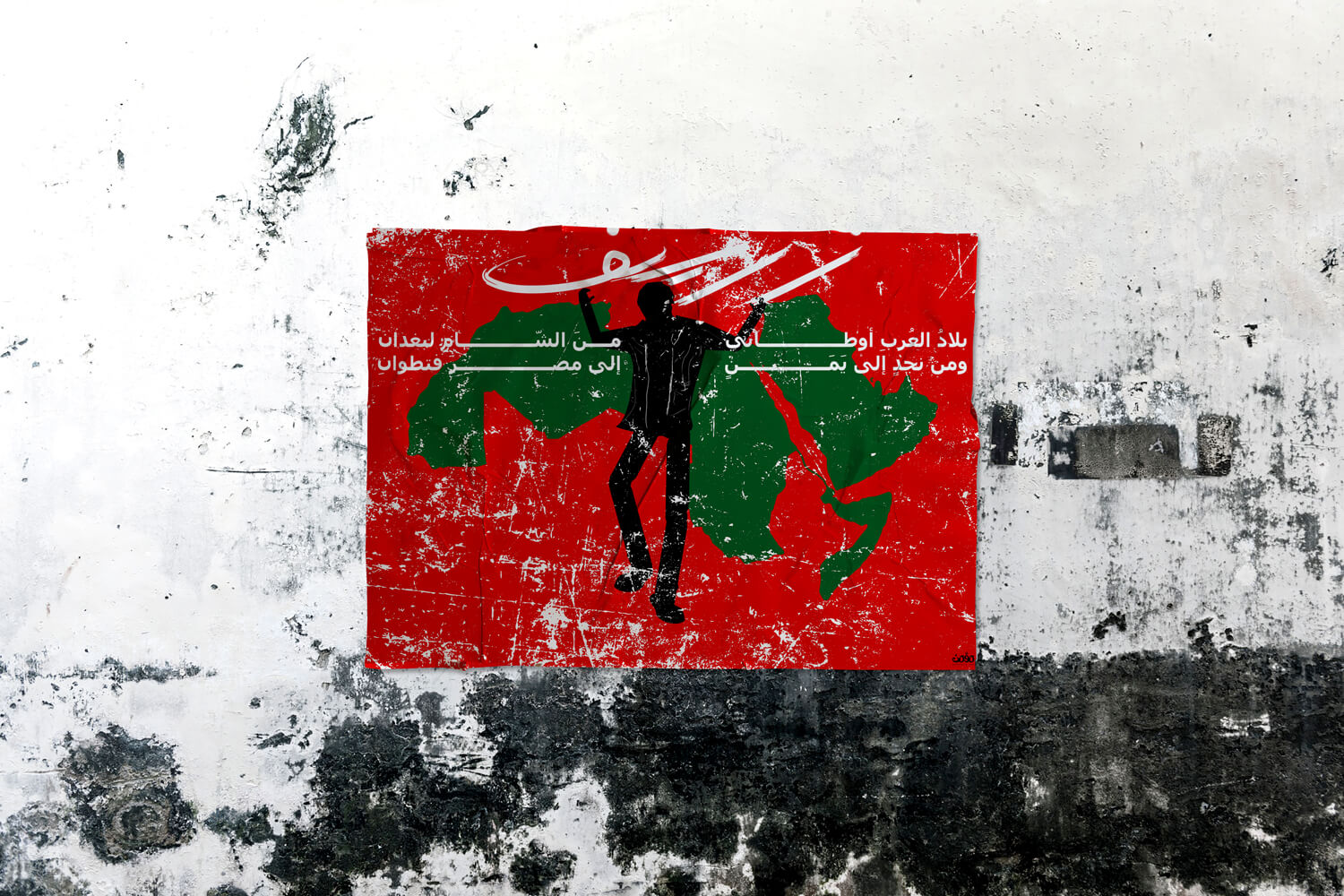
In this character’s narrative, the story does not stop at Palestine's borders; it carries a broader Pan-Arab dream of freedom, liberation, and restored dignity.
From Palestine to Jordan, Syria, Lebanon, and Egypt, our narratives, memories, music, language, and cuisine interweave—with Palestine remaining the beating heart of the story. The occupation holds no place in this dream.
When Was Zareef Born?
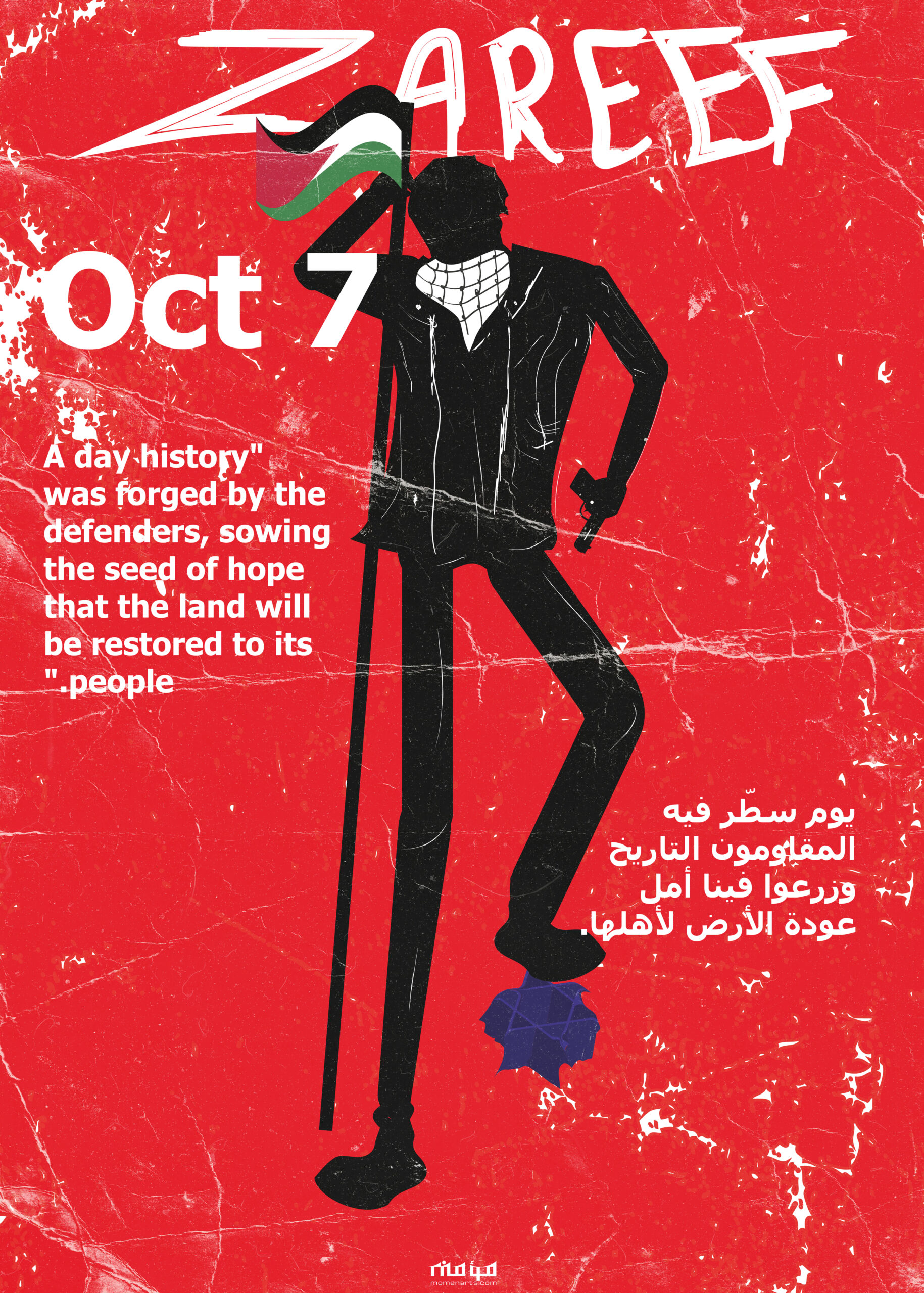
Zareef is not a historical figure with a birth certificate. I chose a symbolic date which points back to 1987, marking the outbreak of the First Palestinian Intifada (The Stone Intifada).
Zareef was born from the idea of freedom—from a generation raised on the stone as a symbol of resistance, proving that a human can transform the simplest element into an emblem of steadfastness. His birthdate belongs to anyone who loves freedom and rejects oppression.
Why Black?I chose black for the character's silhouette—not merely to represent grief, but to embody strength, dignity, and unwavering presence. It carries a simple personal conviction: let this black silhouette stand firmly against the darkness of occupation and injustice.
Zareef and Nostalgia for an Unseen Homeland
Perhaps what best explains this character is the profound feeling of carrying a homeland larger than one’s personal physical experience.
I used to avoid the news; the endless cycle of destruction and geopolitical division exhausted me. During the May 2021 escalation, that exhaustion reached a breaking point. Watching Muna and Mohammed El-Kurd alongside the global Palestinian awakening made me feel immense helplessness and rage.
To escape the weight, I turned off the news, played Palestinian songs, and started dancing Dabke alone. I was laughing and joyful, unsure why. Then I turned the news back on—and cried.
That single moment encapsulates my relationship with Palestine: a song that makes me dance, and a headline that breaks my heart. Joy for the living memory our homeland gifted us, and pain for the bleeding reality before our eyes.
Influences and Inspirations Zareef was born from many roots.
The main inspiration remains Arab, with a deep and specific focus on Palestinian heritage: folk songs, Dabke, oral histories, the Kuffiyeh, the land, accents, and local dishes, and all the little details that shape the meaning of homeland.
Inspiration also came from creators who left an indelible mark:
- Deep gratitude to Mais Shalash and her late father, the distinguished poet Saoud Shalash.
- Musical inspiration from 47Soul, Dalal Abu Amneh, ,Alajawed Dabkeh Band, Aldaloona dabka Band, Aedoun Dabkeh Band, ,Soul Band Palestinian Band, Mohammed Assaf, ,El-Funoun Palestinian Dance Troupe,Afif Badran,, ,Alaa Zalzali, Assi El hallani, ,Fairouz, Julia Boutros, and Amr Diab (especially his iconic lines El Quds De Ardna "Jerusalem is our land" alongside his romantic classics). I dream of a future musical fusion combining Palestinian heritage with Latin Jazz to carry our spirit globally.
- Poetry from Mahmoud Darwish, Tamim Al-Barghouti ("In Jerusalem", "Sixty Years with no shame"), and Hisham El-Gakh ("The Visa").
- Recitations of the Holy Quran for peace and reflection, particularly by Mishary Al-Afasy, Ahmad Alajami, Islam Sobhi, and SALMAN AL UTAYBI.
- Even the lighthearted warmth of Wafaa Elwan left its gentle mark.
In the End
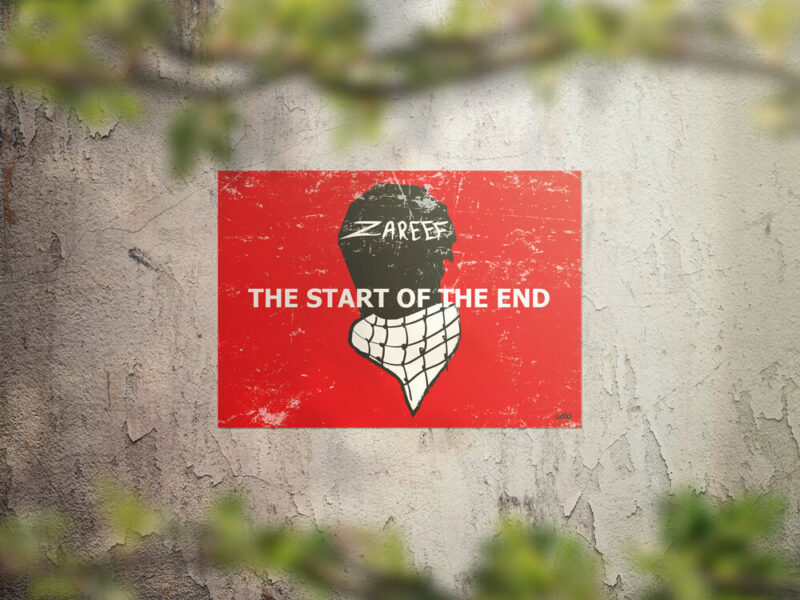
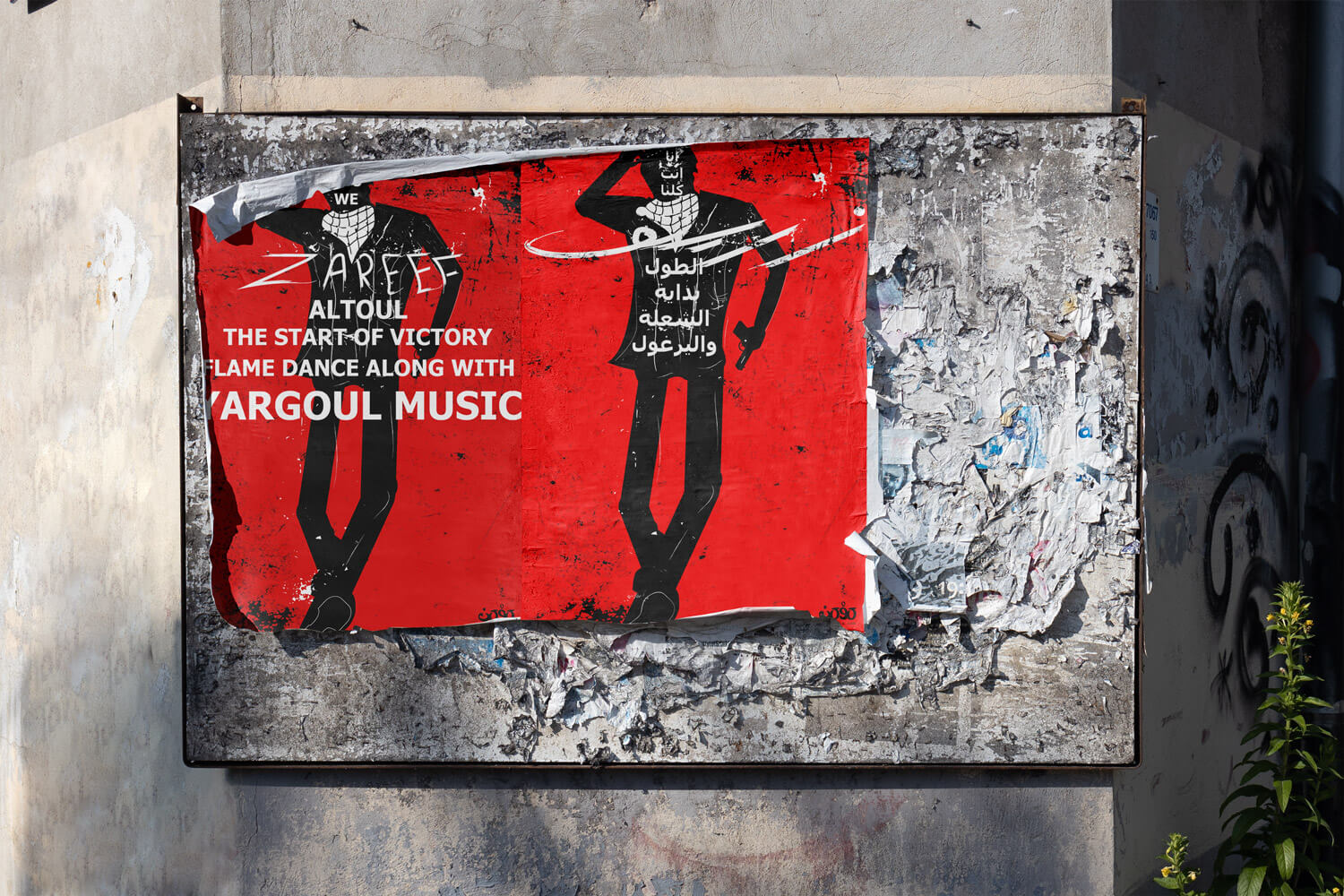
Zareef Al-Tool is not just a character design; he is a tapestry of song, story, memory, and nostalgia.
He is the Palestinian who may be born far from home, yet never feels Palestine is distant. He is the embodiment of a person carrying his homeland in his voice, dance, language, food, and soul.
Perhaps this is the reason I loved the name Zareef; because I didn't want him to be embodied in just one person. I want him to be every Palestinian that has NEVER forgotten (Refuses to forget).
Every time the song echoes: "Embrace others, and forget me," the answer remains unchanged:
By God, we have never forgotten you.


Oct 14 2026
I published this teaser video for ZAREEF
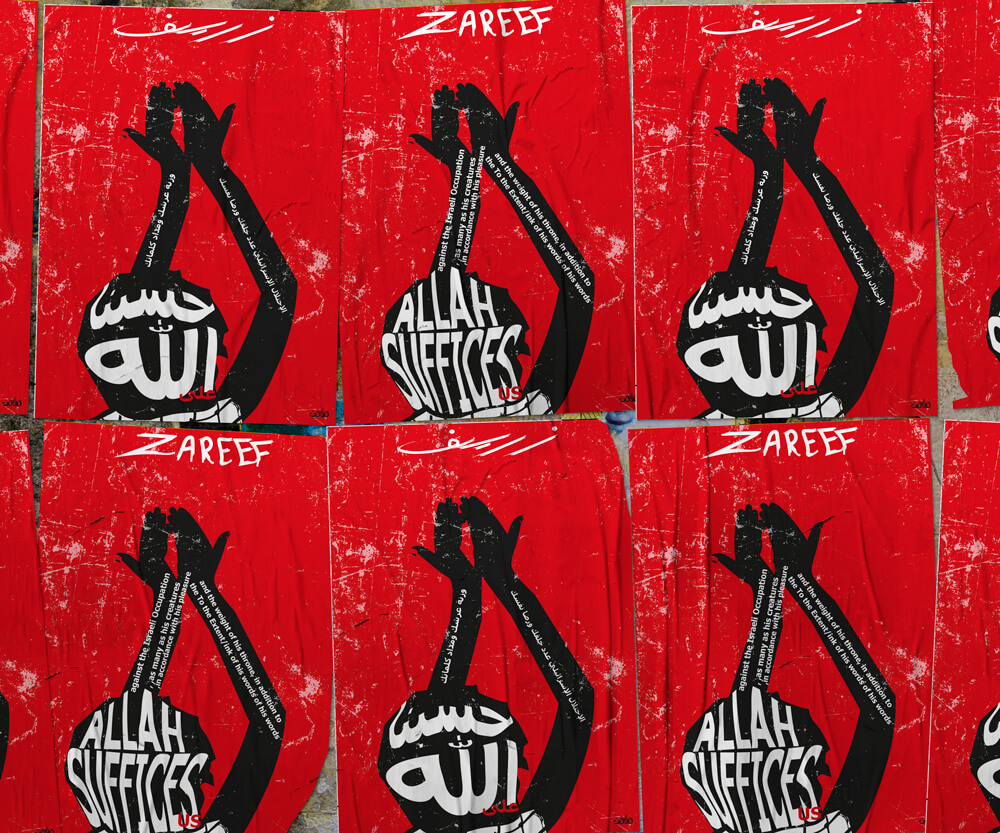
You can check my store in Redbubble



Fantastic 👌
thnx Israa for support 🙂